


- Afhalen na 1 uur in een winkel met voorraad
- Gratis thuislevering in België vanaf € 30
- Ruim aanbod met 7 miljoen producten
- Afhalen na 1 uur in een winkel met voorraad
- Gratis thuislevering in België vanaf € 30
- Ruim aanbod met 7 miljoen producten





Omschrijving
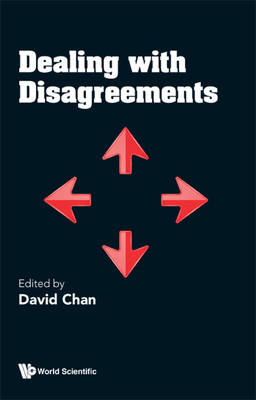
Most people can recall encounters, episodes and experiences involving disagreements over an issue. The more important the issue, the more it affects interpersonal relationships negatively when there is strong disagreement. Disagreements often generate negative thoughts, feelings and actions that significantly influence attitudes, decisions and behaviours. These dynamics in dealing with disagreement is part of our human psychology. If the underlying psychology is understood, this knowledge can facilitate personal and workplace relationships. It can also help address disagreements between policymakers and citizens or advocacy groups.
Several questions have become more salient in recent years, particularly amid COVID-19 challenges, as Singapore society underwent significant changes that impact on the nature and level of attention given to the way we deal with disagreements. What factors should we pay more attention to when dealing with disagreements? What are the policy and societal contexts, and can we deal with disagreements in an ethical way? How are disagreements affected by people's social networks and social identities? What lessons can we learn from how we have dealt with disagreements? How do we approach disagreements better to effect positive changes?
This book explores these and other issues about dealing with disagreements. The book is organised into four parts. Part 1 provides an overview of the issues involved in dealing with disagreements. Part 2 discusses issues of ethics and values in managing difficult situations. Part 3 analyses the relationships linking disagreements, social networks, diversity, and social identities. Part 4 addresses specific questions on dealing with disagreements
in Singapore in terms of education, youths and inter-generational differences, the role and practice of the media, civil society advocacy and engagement, facts and signals in parliamentary debates and public discourse, dealing with feedback and viewpoints, political and public service leadership, and relationships between people and government.
This book will provide new perspectives and possibilities on what it means to say "dealing with disagreements", as we resolve problems and generate solutions to live a better life and build a stronger Singapore society.
Specificaties
Betrokkenen
- Auteur(s):
- Uitgeverij:
Inhoud
- Aantal bladzijden:
- 200
- Taal:
- Engels
Eigenschappen
- Productcode (EAN):
- 9789811262753
- Verschijningsdatum:
- 8/08/2022
- Uitvoering:
- Hardcover
- Formaat:
- Genaaid
- Afmetingen:
- 152 mm x 229 mm
- Gewicht:
- 435 g


Alleen bij Standaard Boekhandel
+ 177 punten op je klantenkaart van Standaard Boekhandel
AANGERADEN


Beoordelingen
We publiceren alleen reviews die voldoen aan de voorwaarden voor reviews. Bekijk onze voorwaarden voor reviews.