


- Afhalen na 1 uur in een winkel met voorraad
- Gratis thuislevering in België vanaf € 30
- Ruim aanbod met 7 miljoen producten
- Afhalen na 1 uur in een winkel met voorraad
- Gratis thuislevering in België vanaf € 30
- Ruim aanbod met 7 miljoen producten





€ 53,00
+ 106 punten
Omschrijving
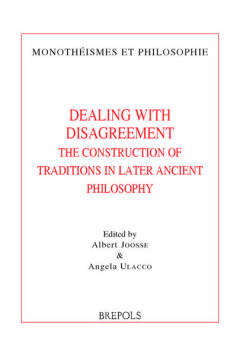
Ancient philosophy is known for its organisation into distinct schools. But those schools were not locked into static dogmatism. As recent scholarship has shown, lively debate persisted between and within traditions. Yet the interplay between tradition and disagreement remains underexplored. This volume asks, first, how philosophers talked about differences of opinion within and between traditions and, second, how such debates affected the traditions involved. It covers the period from the first century BCE, which witnessed a turn to authoritative texts in different philosophical movements, through the rise of Christianity, to the golden age of Neoplatonic commentaries in the fifth and sixth centuries CE. By studying various philosophical and Christian traditions alongside and in interaction with each other, this volume reveals common philosophical strategies of identification and differentiation. Ancient authors construct their own traditions in their (polemical) engagements with dissenters and opponents. Yet this very process of dissociation helped establish a common conceptual ground between traditions. This volume will be an important resource for specialists in late ancient philosophy, early Christianity, and the history of ideas.
Specificaties
Betrokkenen
- Auteur(s):
- Uitgeverij:
Inhoud
- Aantal bladzijden:
- 234
- Taal:
- Frans
- Reeks:
- Reeksnummer:
- nr. 33
Eigenschappen
- Productcode (EAN):
- 9782503602844
- Verschijningsdatum:
- 6/07/2023
- Uitvoering:
- Paperback
- Formaat:
- Trade paperback (VS)
- Gewicht:
- 362 g


Alleen bij Standaard Boekhandel
+ 106 punten op je klantenkaart van Standaard Boekhandel
Cadeau

AANGERADEN


Beoordelingen
We publiceren alleen reviews die voldoen aan de voorwaarden voor reviews. Bekijk onze voorwaarden voor reviews.