


- Afhalen na 1 uur in een winkel met voorraad
- Gratis thuislevering in België vanaf € 30
- Ruim aanbod met 7 miljoen producten
- Afhalen na 1 uur in een winkel met voorraad
- Gratis thuislevering in België vanaf € 30
- Ruim aanbod met 7 miljoen producten





€ 36,45
+ 72 punten
Uitvoering
Omschrijving
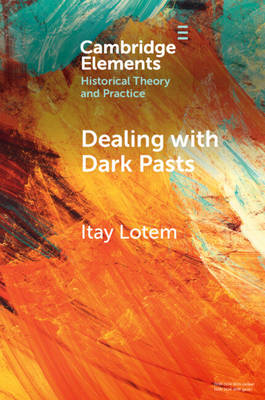
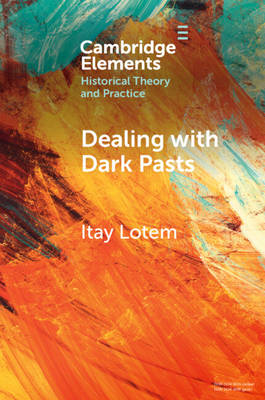
Since the end of the Second World War, the political rationale to remember the past has shifted from previous focus on states' victories, as these began commemorating their own historical crimes. This Element follows the rise of 'auto-critical memory', or the politics of remembrance of a country's own dark past. The Element explores the idea's gestation in West Germany after the Second World War, its globalisation through initiatives of 'transitional justice' in the 1990s, and present-day debates about how to remember the colonial past. It follows different case studies that span the European continent - including Germany, France, Britain, Poland and Serbia - and places these in a global context that traces the circulation of ideas of auto-critical memory. Ultimately, as it follows the emergence of demands for social and racial justice, the Element questions the usefulness of memory to achieve the goals many political actors ascribe to it.
Specificaties
Betrokkenen
- Auteur(s):
- Uitgeverij:
Inhoud
- Aantal bladzijden:
- 88
- Taal:
- Engels
- Reeks:
Eigenschappen
- Productcode (EAN):
- 9781009114141
- Verschijningsdatum:
- 16/01/2025
- Uitvoering:
- Paperback
- Formaat:
- Trade paperback (VS)
- Afmetingen:
- 152 mm x 229 mm
- Gewicht:
- 131 g


Alleen bij Standaard Boekhandel
+ 72 punten op je klantenkaart van Standaard Boekhandel
Cadeau

AANGERADEN


Beoordelingen
We publiceren alleen reviews die voldoen aan de voorwaarden voor reviews. Bekijk onze voorwaarden voor reviews.