


- Afhalen na 1 uur in een winkel met voorraad
- Gratis thuislevering in België vanaf € 30
- Ruim aanbod met 7 miljoen producten
- Afhalen na 1 uur in een winkel met voorraad
- Gratis thuislevering in België vanaf € 30
- Ruim aanbod met 7 miljoen producten





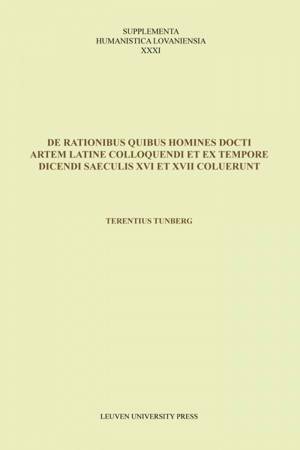
De rationibus quibus homines docti artem Latine colloquendi et ex tempore dicendi saeculis XVI et XVII coluerunt
Terence Tunberg
€ 44,50
+ 89 punten
Omschrijving
Study of conversational Latin and ex tempore expression in Latin. The use of Latin for conversation and ex tempore discourse was a significant element in the culture of learned people in the humanist age and the early modern era. This book explores that phenomenon and the considerable amount of evidence pertaining to it in the primary sources written in the period. The author takes into account the use of spoken Latin both inside and outside the academic world. Examining disputes over pronunciation and different views about ex tempore eloquence among Latin writers active in the sixteenth and seventeenth centuries, the author shows that these 'conversations' are not unrelated to much better known discussions and debates about the nature of Latin prose style and eloquence in an age when Latin was no one's native language. The book thus reveals that understanding the role of conversation and ex tempore expression in Latin helps us to understand the early modern phenomenon of Neo-Latin in general. All texts in this volume are in Latin.
Specificaties
Betrokkenen
- Auteur(s):
- Uitgeverij:
Inhoud
- Aantal bladzijden:
- 140
- Taal:
- Nederlands
- Reeks:
- Reeksnummer:
- nr. 31
Eigenschappen
- Productcode (EAN):
- 9789058679161
- Verschijningsdatum:
- 4/10/2012
- Uitvoering:
- Paperback
- Afmetingen:
- 160 mm x 240 mm
- Gewicht:
- 250 g


Alleen bij Standaard Boekhandel
+ 89 punten op je klantenkaart van Standaard Boekhandel
Cadeau

AANGERADEN


Beoordelingen
We publiceren alleen reviews die voldoen aan de voorwaarden voor reviews. Bekijk onze voorwaarden voor reviews.