


- Afhalen na 1 uur in een winkel met voorraad
- Gratis thuislevering in België vanaf € 30
- Ruim aanbod met 7 miljoen producten
- Afhalen na 1 uur in een winkel met voorraad
- Gratis thuislevering in België vanaf € 30
- Ruim aanbod met 7 miljoen producten




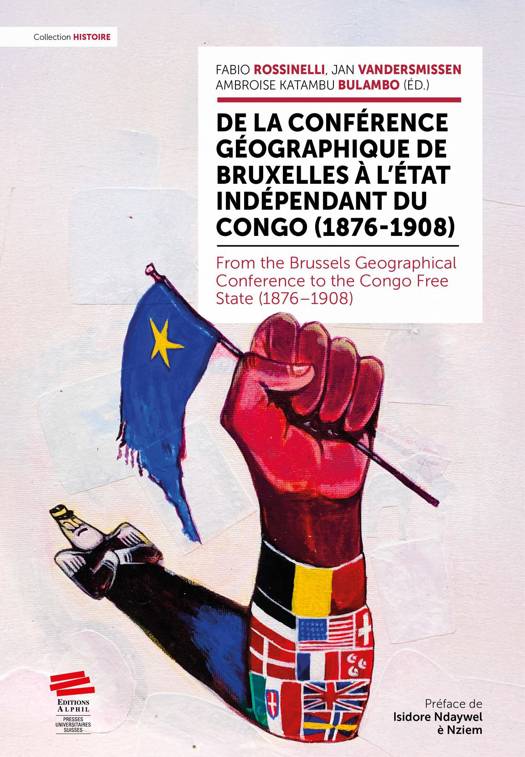
De la Conférence géographique de Bruxelles à l'État indépendant du Congo (1876-1908)
Ambroise Katambu Bulambo, Jan Vandersmissen, Fabio Rossinelli
Paperback | Frans
€ 29,90
+ 59 punten
Omschrijving
Regards nouveaux 150 ans après les origines du Congo léopoldien
L'histoire tragique de l'État indépendant du Congo, propriété
personnelle du monarque belge Léopold II, a fait couler beaucoup
d'encre depuis ses origines. La recherche sur ce sujet, comme sur
bien d'autres concernant les conquêtes européennes en Afrique au
xixe siècle, a souvent opposé les perspectives des milieux colonisateurs
à celles des peuples colonisés. Cet ouvrage propose un changement
de focale, à l'occasion du 150e anniversaire de la Conférence
géographique de Bruxelles. Il restitue les événements léopoldiens
survenus en terres congolaises à la suite de cette Conférence dans un
cadre plus large, en mettant en lumière la participation de multiples
nations et régions du monde – souvent situées aux marges des
empires – à une histoire de violence globale au Congo, à travers
des réseaux et des acteurs tant publics que privés.
New perspectives 150 years after the origins of Leopoldian Congo
The tragic history of the Congo Free State, personal property of
Belgian King Leopold II, has been the subject of much writing
since its beginnings. Research on this subject, as on many others
concerning European conquests in Africa in the 19th century, has often
opposed the perspectives of the colonisers to those of the colonised
peoples. This book offers a change of focus, on the occasion of the
150th anniversary of the Brussels Geographical Conference. It places
the events that took place in the Congolese territories following
this conference in a broader context, highlighting the participation
of multiple nations and regions of the world – often located at the
margins of empires – in a history of global violence in the Congo,
through both public and private networks and actors.
L'histoire tragique de l'État indépendant du Congo, propriété
personnelle du monarque belge Léopold II, a fait couler beaucoup
d'encre depuis ses origines. La recherche sur ce sujet, comme sur
bien d'autres concernant les conquêtes européennes en Afrique au
xixe siècle, a souvent opposé les perspectives des milieux colonisateurs
à celles des peuples colonisés. Cet ouvrage propose un changement
de focale, à l'occasion du 150e anniversaire de la Conférence
géographique de Bruxelles. Il restitue les événements léopoldiens
survenus en terres congolaises à la suite de cette Conférence dans un
cadre plus large, en mettant en lumière la participation de multiples
nations et régions du monde – souvent situées aux marges des
empires – à une histoire de violence globale au Congo, à travers
des réseaux et des acteurs tant publics que privés.
New perspectives 150 years after the origins of Leopoldian Congo
The tragic history of the Congo Free State, personal property of
Belgian King Leopold II, has been the subject of much writing
since its beginnings. Research on this subject, as on many others
concerning European conquests in Africa in the 19th century, has often
opposed the perspectives of the colonisers to those of the colonised
peoples. This book offers a change of focus, on the occasion of the
150th anniversary of the Brussels Geographical Conference. It places
the events that took place in the Congolese territories following
this conference in a broader context, highlighting the participation
of multiple nations and regions of the world – often located at the
margins of empires – in a history of global violence in the Congo,
through both public and private networks and actors.
Specificaties
Betrokkenen
- Auteur(s):
- Uitgeverij:
Inhoud
- Aantal bladzijden:
- 404
- Taal:
- Frans
Eigenschappen
- Productcode (EAN):
- 9782889307609
- Verschijningsdatum:
- 19/03/2026
- Uitvoering:
- Paperback
- Afmetingen:
- 155 mm x 225 mm
- Gewicht:
- 600 g


Alleen bij Standaard Boekhandel
+ 59 punten op je klantenkaart van Standaard Boekhandel
Cadeau

AANGERADEN


Beoordelingen
We publiceren alleen reviews die voldoen aan de voorwaarden voor reviews. Bekijk onze voorwaarden voor reviews.