


- Afhalen na 1 uur in een winkel met voorraad
- Gratis thuislevering in België vanaf € 30
- Ruim aanbod met 7 miljoen producten
- Afhalen na 1 uur in een winkel met voorraad
- Gratis thuislevering in België vanaf € 30
- Ruim aanbod met 7 miljoen producten





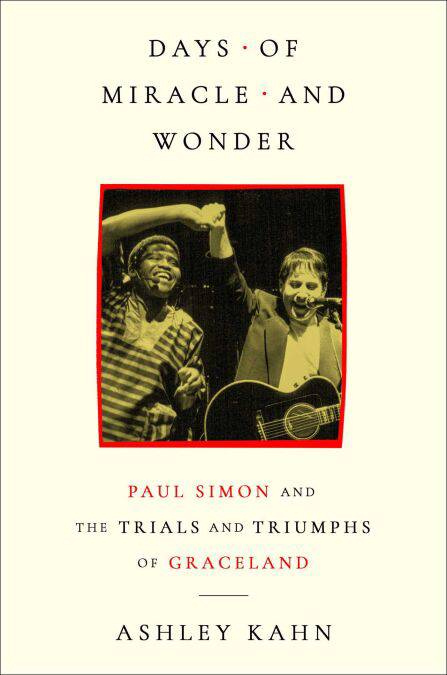
Days of Miracle and Wonder E-BOOK
Paul Simon and the Trials and Triumphs of Graceland
Ashley Kahn
E-book | Engels
€ 16,76
+ 16 punten
Omschrijving
The definitive story of the making and legacy of Graceland, Paul Simon’s still-beloved, career-topping 1986 album, drawn from extensive research and exclusive interviews with nearly 100 participants and witnesses: musicians, producers, engineers, record executives and journalists from Africa, the US, and Europe.
In 1984, Paul Simon was at a professional and personal crossroads. His new marriage was failing and his career was in danger of stalling. He was forty-two, navigating a digital age, searching for inspiration in a scene driven by music videos, synthesizers, and drum machines.
Driving around that summer, a bootleg cassette of “township jive”—the street music of South Africa—kept him company. Lent to him by a friend, it reminded Simon of the sound and the joy of the early days of rock and roll. He began to invent his own lyrics to the groove, and became drawn to the idea of recording with the musicians on that tape. But South Africa was in the thrall of a racist apartheid system, and with economic and cultural boycotts in place, such an undertaking was risky. He grew determined to find the right conditions to allow for a collaboration.
Simon took a fateful trip to Johannesburg in 1985. It would turn out to be the first step on a musical journey that would lead him to New York, Los Angeles, Louisiana, and London, and eventually to the release of Graceland, a critical and commercial triumph, winning multiple Grammys, selling 16 million records, and spawning a five-year, worldwide tour.
Days of Miracle and Wonder is the first book to tell the full story of Graceland, offering windows into Simon’s creative process, the technical innovations that brought his songs to life, the people and places that made the album possible, the forces that helped the album achieve mainstream reach, and the controversies that the music raised—and which remain today. It sheds light on a period when America opened its doors to the sounds and styles of Africa and other faraway lands.
This is an informed, heartfelt celebration of Simon’s magnum opus, a recording forged in a tense cultural moment, but suffused with hope, change, and a sense of global connection.
In 1984, Paul Simon was at a professional and personal crossroads. His new marriage was failing and his career was in danger of stalling. He was forty-two, navigating a digital age, searching for inspiration in a scene driven by music videos, synthesizers, and drum machines.
Driving around that summer, a bootleg cassette of “township jive”—the street music of South Africa—kept him company. Lent to him by a friend, it reminded Simon of the sound and the joy of the early days of rock and roll. He began to invent his own lyrics to the groove, and became drawn to the idea of recording with the musicians on that tape. But South Africa was in the thrall of a racist apartheid system, and with economic and cultural boycotts in place, such an undertaking was risky. He grew determined to find the right conditions to allow for a collaboration.
Simon took a fateful trip to Johannesburg in 1985. It would turn out to be the first step on a musical journey that would lead him to New York, Los Angeles, Louisiana, and London, and eventually to the release of Graceland, a critical and commercial triumph, winning multiple Grammys, selling 16 million records, and spawning a five-year, worldwide tour.
Days of Miracle and Wonder is the first book to tell the full story of Graceland, offering windows into Simon’s creative process, the technical innovations that brought his songs to life, the people and places that made the album possible, the forces that helped the album achieve mainstream reach, and the controversies that the music raised—and which remain today. It sheds light on a period when America opened its doors to the sounds and styles of Africa and other faraway lands.
This is an informed, heartfelt celebration of Simon’s magnum opus, a recording forged in a tense cultural moment, but suffused with hope, change, and a sense of global connection.
Specificaties
Betrokkenen
- Auteur(s):
- Uitgeverij:
Inhoud
- Aantal bladzijden:
- 320
- Taal:
- Engels
Eigenschappen
- Productcode (EAN):
- 9781668206775
- Verschijningsdatum:
- 10/08/2026
- Uitvoering:
- E-book
- Beveiligd met:
- Adobe DRM
- Formaat:
- ePub


Alleen bij Standaard Boekhandel
+ 16 punten op je klantenkaart van Standaard Boekhandel
Cadeau

AANGERADEN


Beoordelingen
We publiceren alleen reviews die voldoen aan de voorwaarden voor reviews. Bekijk onze voorwaarden voor reviews.