


- Afhalen na 1 uur in een winkel met voorraad
- Gratis thuislevering in België vanaf € 30
- Ruim aanbod met 7 miljoen producten
- Afhalen na 1 uur in een winkel met voorraad
- Gratis thuislevering in België vanaf € 30
- Ruim aanbod met 7 miljoen producten





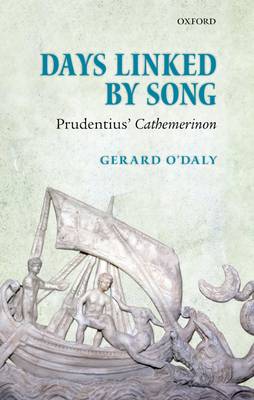
Omschrijving
Prudentius is often considered the greatest Latin poet of late antiquity. In this volume, O'Daly looks at Prudentius' lyric poems, the Cathemerinon, Poems for the Day, which were published early in the fifth century AD. Reflecting the religious concerns of the increasingly Christianized western Roman Empire in the age of the emperor Theodosius and Ambrose of Milan, the Cathemerinon are above all the writings of a private person, and of the ways in which his religious beliefs colour his everyday life. They speak of bird-song and morning light, they are about about the taking of food, about lighting lamps as dark sets in, and about the night's sleep. Rich in biblical themes and earratives, images and symbols (including paradise and the Fall, Exodus, Jonah, Daniel, and the Magi), they also celebrate Christ's miracles and the feasts of Christmas and Epiphany.
However, while they exploit the themes of the Bible, they are also written in the classical metres of Latin poetry and make use of its vocabulary and metaphors. They achieve a remarkable creative tension between the two worlds that determined Prudentius' culture: the beliefs and practices, sacred books, and doctrines of Christianity; and the traditions, poetry, and ideas of the Greeks and Romans. A good part of the attractiveness of these poems comes from the interplay between these two worlds.
The volume includes the Latin texts, English translations, and critical essays on each of the twelve poems.
However, while they exploit the themes of the Bible, they are also written in the classical metres of Latin poetry and make use of its vocabulary and metaphors. They achieve a remarkable creative tension between the two worlds that determined Prudentius' culture: the beliefs and practices, sacred books, and doctrines of Christianity; and the traditions, poetry, and ideas of the Greeks and Romans. A good part of the attractiveness of these poems comes from the interplay between these two worlds.
The volume includes the Latin texts, English translations, and critical essays on each of the twelve poems.
Specificaties
Betrokkenen
- Auteur(s):
- Uitgeverij:
Inhoud
- Aantal bladzijden:
- 424
- Taal:
- Engels
Eigenschappen
- Productcode (EAN):
- 9780199263950
- Verschijningsdatum:
- 13/07/2012
- Uitvoering:
- Hardcover
- Formaat:
- Genaaid
- Afmetingen:
- 140 mm x 216 mm
- Gewicht:
- 684 g


Alleen bij Standaard Boekhandel
Cadeau

AANGERADEN


Beoordelingen
We publiceren alleen reviews die voldoen aan de voorwaarden voor reviews. Bekijk onze voorwaarden voor reviews.