


- Afhalen na 1 uur in een winkel met voorraad
- Gratis thuislevering in België vanaf € 30
- Ruim aanbod met 7 miljoen producten
- Afhalen na 1 uur in een winkel met voorraad
- Gratis thuislevering in België vanaf € 30
- Ruim aanbod met 7 miljoen producten





€ 128,95
+ 257 punten
Uitvoering
Omschrijving
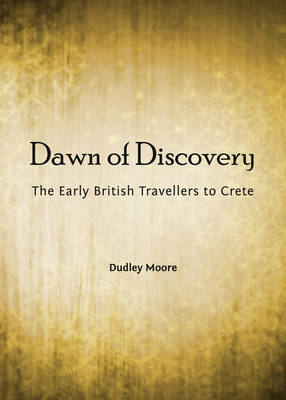
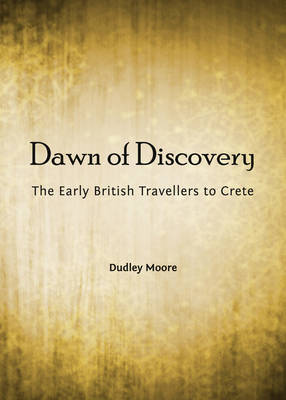
This book focuses on three important British travellers to Crete during the 18th and 19th centuries to establish whether or not they made any significant contribution to the field of research with regard to the archaeological heritage of Bronze Age Crete. It is an attempt to bring these 'lost pioneers' of antiquity to the fore and to recognize their efforts as part of the foundation of the discovery of the island's Bronze Age archaeology prior to the ground-breaking excavations of Sir Arthur Evans. The three travellers examined here are Richard Pococke (1704-65), Robert Pashley (1805-59) and Thomas Spratt (1811-88). Having dealt with the terms that these travellers used in describing ancient remains, the book looks briefly at the background to Bronze Age Crete itself. Thereafter the development from antiquarianism into archaeology is followed to establish the motives behind these travellers' wanderings in Crete. This also involves a discussion of other British travellers to Crete and problems they may have encountered with an island in the throes of Ottoman turbulence. Using their published journals, the author has followed the footsteps of Pococke, Pashley and Spratt to see what they may have discovered, and compared their written accounts with what is physically there today. The results are most intriguing.
Specificaties
Betrokkenen
- Auteur(s):
- Uitgeverij:
Inhoud
- Aantal bladzijden:
- 225
- Taal:
- Engels
Eigenschappen
- Productcode (EAN):
- 9781443851466
- Verschijningsdatum:
- 16/10/2013
- Uitvoering:
- Hardcover
- Formaat:
- Ongenaaid / garenloos gebonden
- Afmetingen:
- 155 mm x 208 mm
- Gewicht:
- 498 g


Alleen bij Standaard Boekhandel
+ 257 punten op je klantenkaart van Standaard Boekhandel
Cadeau

AANGERADEN


Beoordelingen
We publiceren alleen reviews die voldoen aan de voorwaarden voor reviews. Bekijk onze voorwaarden voor reviews.