


- Afhalen na 1 uur in een winkel met voorraad
- Gratis thuislevering in België vanaf € 30
- Ruim aanbod met 7 miljoen producten
- Afhalen na 1 uur in een winkel met voorraad
- Gratis thuislevering in België vanaf € 30
- Ruim aanbod met 7 miljoen producten
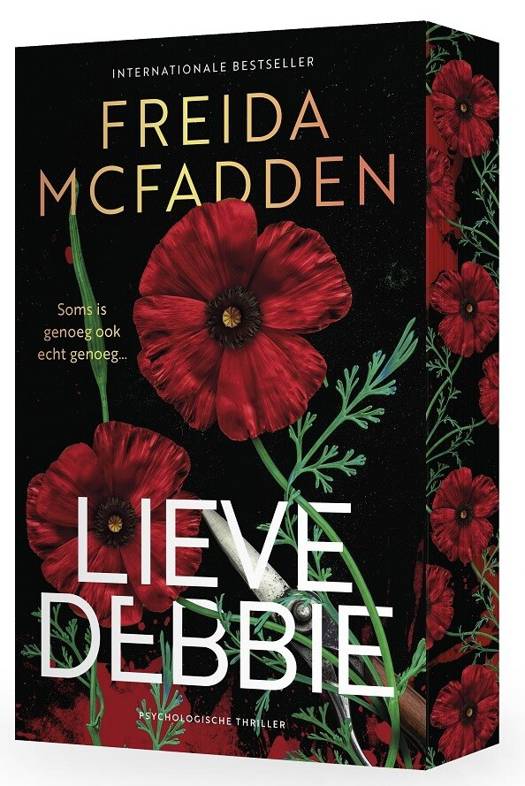



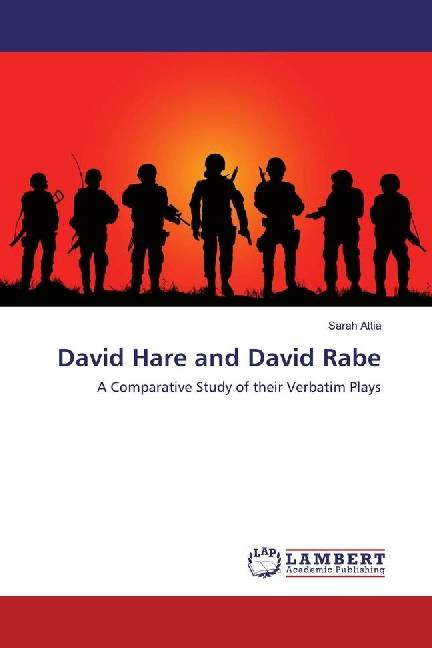
David Hare and David Rabe
A Comparative Study of their Verbatim Plays
Sarah Attia
Paperback | Engels
€ 78,95
+ 157 punten
Omschrijving
The purpose of this study has been to explore the evolution of David Hare and David Rabe's theatrical works, concentrating on their verbatim plays, to arrive at some understanding of their success as playwrights of popular dissent in Britain and USA in the second half of the last century and the first decade of 21st. Both Rabe and Hare's popularity with the majority of audiences, despite the pessimistic and anti-establishment themes in their plays, may be attributed to a main factor; they are able to insinuate a group of people, a government, a country, or even the world-at-large using only a few unique, articulate, and empathetic characters. Perhaps the main difference between Rabe and Hare concerns the relation of language to self. In Hare's plays, the characters are defined by what they say. Language offers them self-identity and reveals most of their subconscious needs. Thus, for him, the linguistic tool facilitates the exchange of thoughts and feelings. However, Rabe's perception of language is quite different. In his plays, the characters use verbal exchange to conceal more than to reveal emotions and ideas. They often use language as a smokescreen to hide their true selves.
Specificaties
Betrokkenen
- Auteur(s):
- Uitgeverij:
Inhoud
- Aantal bladzijden:
- 324
- Taal:
- Engels
Eigenschappen
- Productcode (EAN):
- 9783659927256
- Uitvoering:
- Paperback
- Afmetingen:
- 150 mm x 220 mm


Alleen bij Standaard Boekhandel
+ 157 punten op je klantenkaart van Standaard Boekhandel
Wedstrijd


Beoordelingen
We publiceren alleen reviews die voldoen aan de voorwaarden voor reviews. Bekijk onze voorwaarden voor reviews.