


- Afhalen na 1 uur in een winkel met voorraad
- Gratis thuislevering in België vanaf € 30
- Ruim aanbod met 7 miljoen producten
- Afhalen na 1 uur in een winkel met voorraad
- Gratis thuislevering in België vanaf € 30
- Ruim aanbod met 7 miljoen producten




Omschrijving
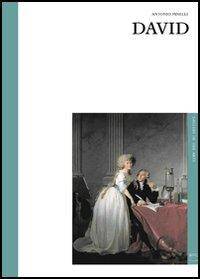
With the Oath of the Horatii, a picture that Jacques-Louis David (1748-1826) chose to paint in Rome, holing up in a studio close to Piazza del Popolo for almost a year, this artist exploded onto the European art scene as the unquestioned champion of a revolution in 'history painting'. He opened the road for new classicism, which was more rigorous than the version preferred by his predecessors Vien and Mengs, putting an end once and for all to all the frivolous simperings of the rococo. Modelled on the masterpieces of classical Antiquity and informed by Winckelmann's aesthetic theories and the self-righteous confidence of Corneille's heroes, the paintings of this audacious and talented artist introduced a direct and energetic figurative style that was sober and at the same time eloquent. It embodied perfectly the motto of the brilliant and irrepressible Diderot: "Paint the way they used to speak in Sparta". Four years later, at the 1789 Paris Salon, patriotism and ethical urgency, humming emotion and spectacular eloquence oozed from another of David's masterpieces, the large painting titled The Lictors Bring to Brutus the Bodies of his Sons, which seemed to depict first and foremost the revolutionary fervour that was just then engulfing Paris and was soon to spread to the whole of France. This monograph, which traces each stage of the great Parisian artist's evolution, stresses the close link he forged between art and politics. It was this equivalence between aesthetic and political choices that make this artist virtually unique in the history of art, especially in the art prior to the twentieth century. He didn't confine himself to taking part in the revolutionary events personally, even becoming a member of the government during the Terror, throughout his life his artistic commitment was an integral part of his political conviction. With him, political and ideological thought were hand in glove with his aesthetic sensibility, one nourishing the other and displaying the same modifications at the same time.
Specificaties
Betrokkenen
- Auteur(s):
- Uitgeverij:
Inhoud
- Aantal bladzijden:
- 124
- Taal:
- Engels
- Reeks:
Eigenschappen
- Productcode (EAN):
- 9788874391226
- Verschijningsdatum:
- 1/01/2019
- Uitvoering:
- Hardcover
- Formaat:
- Genaaid
- Afmetingen:
- 176 mm x 246 mm
- Gewicht:
- 530 g


Alleen bij Standaard Boekhandel
+ 32 punten op je klantenkaart van Standaard Boekhandel
AANGERADEN


Beoordelingen
We publiceren alleen reviews die voldoen aan de voorwaarden voor reviews. Bekijk onze voorwaarden voor reviews.