


- Afhalen na 1 uur in een winkel met voorraad
- Gratis thuislevering in België vanaf € 30
- Ruim aanbod met 7 miljoen producten
- Afhalen na 1 uur in een winkel met voorraad
- Gratis thuislevering in België vanaf € 30
- Ruim aanbod met 7 miljoen producten




€ 228,95
+ 457 punten
Omschrijving
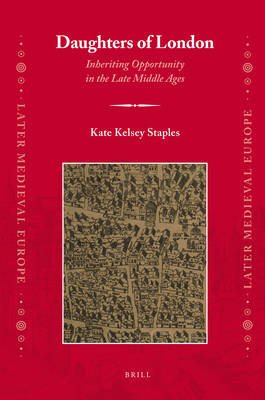
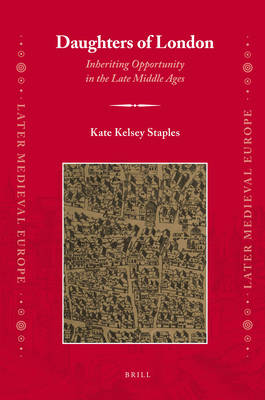
In historical records, women appear as widows, sometimes as wives or singlewomen, but one thing they had in common was they all were daughters. Through an examination of the Husting wills, Kate Staples focuses on daughters in the late medieval capital and their chances to own, rent, and manage property. These daughters were provided opportunities to be active economic agents in a world often described as hostile to women. Daughters of London also considers parents' influence through their bequests to daughters and the visualization of daughters' household spaces that these bequests allow. By focusing on daughterhood, and particularly urban daughters' experiences of inheritance, we can refocus the lens through which we see and understand women's lives in the medieval past
Specificaties
Betrokkenen
- Auteur(s):
- Uitgeverij:
Inhoud
- Aantal bladzijden:
- 226
- Taal:
- Engels
- Reeks:
- Reeksnummer:
- nr. 8
Eigenschappen
- Productcode (EAN):
- 9789004203112
- Verschijningsdatum:
- 18/03/2011
- Uitvoering:
- Hardcover
- Formaat:
- Ongenaaid / garenloos gebonden
- Afmetingen:
- 163 mm x 241 mm
- Gewicht:
- 458 g


Alleen bij Standaard Boekhandel
+ 457 punten op je klantenkaart van Standaard Boekhandel
CADEAU


Beoordelingen
We publiceren alleen reviews die voldoen aan de voorwaarden voor reviews. Bekijk onze voorwaarden voor reviews.