


- Afhalen na 1 uur in een winkel met voorraad
- Gratis thuislevering in België vanaf € 30
- Ruim aanbod met 7 miljoen producten
- Afhalen na 1 uur in een winkel met voorraad
- Gratis thuislevering in België vanaf € 30
- Ruim aanbod met 7 miljoen producten





€ 183,45
+ 366 punten
Omschrijving
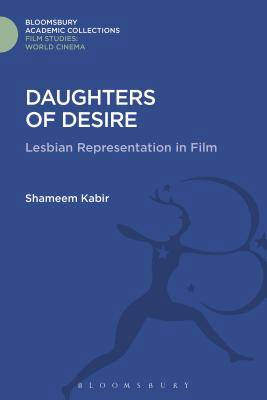
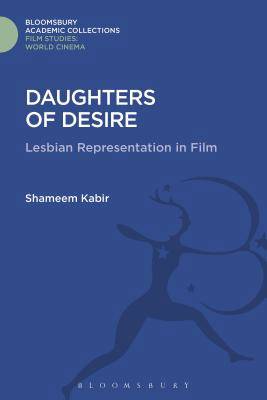
This book explores lesbians in film from early representations to contemporary ones, spanning sixty years and over twenty films. Concentrating on lesbian desire and subtext, Kabir draws on films such as Queen Christina, The Killing of Sister George, Rebecca, Desperately Seeking Susan and The Color Purple. She details their narratives in conjunction with an examination of different spectating positions and new syntheses of filmic languages.
Deploying lesbian history, black subjectivity, feminist film criticism and material from psychoanalysis, Daughters of Desire explores narrative, desire and identifications. From castration and agency to the fetishization of beauty, from mothering, narcissism, and Oedipus to rage and trauma, Kabir crosses frontiers in film studies and feminist theory.Specificaties
Betrokkenen
- Auteur(s):
- Uitgeverij:
Inhoud
- Aantal bladzijden:
- 272
- Taal:
- Engels
- Reeks:
Eigenschappen
- Productcode (EAN):
- 9781474290470
- Verschijningsdatum:
- 6/10/2016
- Uitvoering:
- Hardcover
- Formaat:
- Genaaid
- Afmetingen:
- 156 mm x 234 mm
- Gewicht:
- 557 g


Alleen bij Standaard Boekhandel
+ 366 punten op je klantenkaart van Standaard Boekhandel
CADEAU

AANGERADEN


Beoordelingen
We publiceren alleen reviews die voldoen aan de voorwaarden voor reviews. Bekijk onze voorwaarden voor reviews.