


- Afhalen na 1 uur in een winkel met voorraad
- Gratis thuislevering in België vanaf € 30
- Ruim aanbod met 7 miljoen producten
- Afhalen na 1 uur in een winkel met voorraad
- Gratis thuislevering in België vanaf € 30
- Ruim aanbod met 7 miljoen producten





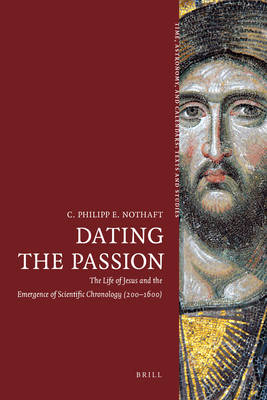
Dating the Passion
The Life of Jesus and the Emergence of Scientific Chronology (200-1600)
C Philipp E Nothaft
€ 270,45
+ 540 punten
Omschrijving
The beginnings of scientific chronology are usually associated with the work of the great Renaissance philologist Joseph Scaliger (1540-1609), but this perspective is challenged by the existence of a vivid pre-modern computistical tradition, in which technical chronological questions, especially regarding the life of Jesus, played an essential role. Christian scholars such as Roger Bacon made innovative breakthroughs in the field of historical dating by applying astronomical calculations, critical exegesis, and the study of the Jewish calendar to chronological problems. Drawing on a wide selection of sources that range from late antiquity to 1600, this book uses the history of the date of Christ's Passion to shed new light on the medieval contribution to science and scholarship.
Specificaties
Betrokkenen
- Auteur(s):
- Uitgeverij:
Inhoud
- Aantal bladzijden:
- 332
- Taal:
- Engels
- Reeks:
- Reeksnummer:
- nr. 1
Eigenschappen
- Productcode (EAN):
- 9789004212190
- Verschijningsdatum:
- 6/10/2011
- Uitvoering:
- Hardcover
- Formaat:
- Genaaid
- Afmetingen:
- 165 mm x 244 mm
- Gewicht:
- 739 g


Alleen bij Standaard Boekhandel
+ 540 punten op je klantenkaart van Standaard Boekhandel
CADEAU


Beoordelingen
We publiceren alleen reviews die voldoen aan de voorwaarden voor reviews. Bekijk onze voorwaarden voor reviews.