


- Afhalen na 1 uur in een winkel met voorraad
- Gratis thuislevering in België vanaf € 30
- Ruim aanbod met 7 miljoen producten
- Afhalen na 1 uur in een winkel met voorraad
- Gratis thuislevering in België vanaf € 30
- Ruim aanbod met 7 miljoen producten





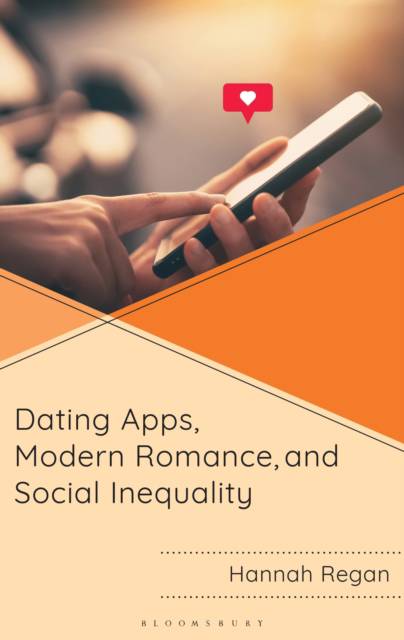
Dating Apps, Modern Romance, and Social Inequality
Hannah Regan
€ 186,95
+ 373 punten
Omschrijving
How do we fall in love in the 21st century? In Dating Apps, Modern Romance, and Social Inequality, Hannah Regan explores the impact dating apps have had on how we meet potential partners and decide who to date. In particular, Regan considers our tendency to fall in love with people who are very similar to us, and how dating apps both facilitate this preference and challenge us to think outside the box. By sharing the stories of dating app users, the book raises important questions about how social inequality exists in our intimate lives, and how technology reinforces these long-held social beliefs. This book situates current patterns of dating and relationships within the historical context of courtship, to explore how the introduction of new technology has changed romantic partnerships. Despite these new possibilities, the analysis encourages us to question whether dating is, in fact, changing, or whether we are simply enacting the same old social patterns in new ways. Challenging the assumptions which shape dating preferences in turn challenges the social structures of power and inequality which underlie them.
Specificaties
Betrokkenen
- Auteur(s):
- Uitgeverij:
Inhoud
- Aantal bladzijden:
- 240
- Taal:
- Engels
- Reeks:
Eigenschappen
- Productcode (EAN):
- 9781666973822
- Verschijningsdatum:
- 11/12/2025
- Uitvoering:
- Hardcover
- Formaat:
- Genaaid
- Afmetingen:
- 152 mm x 229 mm
- Gewicht:
- 485 g


Alleen bij Standaard Boekhandel
+ 373 punten op je klantenkaart van Standaard Boekhandel
Cadeau

AANGERADEN


Beoordelingen
We publiceren alleen reviews die voldoen aan de voorwaarden voor reviews. Bekijk onze voorwaarden voor reviews.