



- Afhalen na 1 uur in een winkel met voorraad
- In januari gratis thuislevering in België
- Ruim aanbod met 7 miljoen producten
- Afhalen na 1 uur in een winkel met voorraad
- In januari gratis thuislevering in België
- Ruim aanbod met 7 miljoen producten





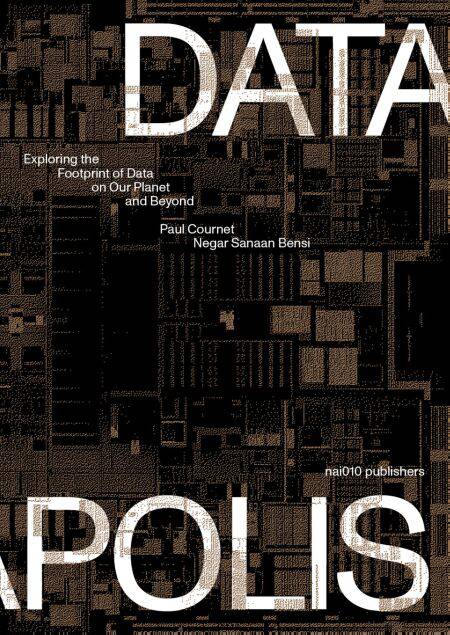
Omschrijving
Data has become a critical component of our lives when was the last time that you spent 24 hours offline? Despite such ubiquity, we hardly comprehend the mechanisms of this 'infosphere', a complex world that can be glimpsed through tangible and intangible means.
DATAPOLIS looks into the materiality of data, its inherent ethical and political contradictions as well as cultural and environmental footprints, by following two main trajectories: the first one attempts to define what 'the cloud' is and how it operates. From the systems and infrastructures behind the Internet to the apparatus, gizmos and buildings that can transcend scales and temporal dimensions. The second one explores how data penetrates our existence, not only by affecting the ways we live and work, or design and make cities, but by offering distinct ways of life and organization that otherwise would not have been possible.
Through various visual and textual materials, this book speculates on the ways in which architecture can engage with data and digital technology beyond its mere instrumental use in making (smart) cities.
DATAPOLIS is edited by Negar Sanaan Bensi and Paul Cournet.
DATAPOLIS looks into the materiality of data, its inherent ethical and political contradictions as well as cultural and environmental footprints, by following two main trajectories: the first one attempts to define what 'the cloud' is and how it operates. From the systems and infrastructures behind the Internet to the apparatus, gizmos and buildings that can transcend scales and temporal dimensions. The second one explores how data penetrates our existence, not only by affecting the ways we live and work, or design and make cities, but by offering distinct ways of life and organization that otherwise would not have been possible.
Through various visual and textual materials, this book speculates on the ways in which architecture can engage with data and digital technology beyond its mere instrumental use in making (smart) cities.
DATAPOLIS is edited by Negar Sanaan Bensi and Paul Cournet.
Specificaties
Betrokkenen
- Auteur(s):
- Uitgeverij:
Inhoud
- Aantal bladzijden:
- 256
- Taal:
- Engels
Eigenschappen
- Productcode (EAN):
- 9789462088306
- Verschijningsdatum:
- 6/06/2023
- Uitvoering:
- E-book
- Beveiligd met:
- Digital watermarking
- Formaat:


Alleen bij Standaard Boekhandel
+ 29 punten op je klantenkaart van Standaard Boekhandel
Cadeau

AANGERADEN


Beoordelingen
We publiceren alleen reviews die voldoen aan de voorwaarden voor reviews. Bekijk onze voorwaarden voor reviews.