


- Afhalen na 1 uur in een winkel met voorraad
- Gratis thuislevering in België vanaf € 30
- Ruim aanbod met 7 miljoen producten
- Afhalen na 1 uur in een winkel met voorraad
- Gratis thuislevering in België vanaf € 30
- Ruim aanbod met 7 miljoen producten





€ 41,37
+ 41 punten
Uitvoering
Omschrijving
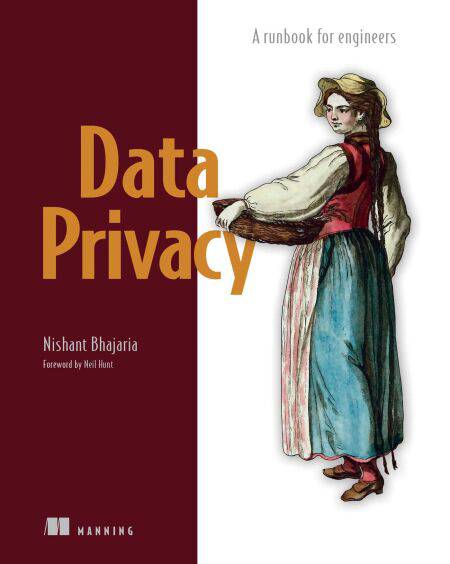
Engineer privacy into your systems with these hands-on techniques for data governance, legal compliance, and surviving security audits.
In Data Privacy you will learn how to:
Classify data based on privacy risk
Build technical tools to catalog and discover data in your systems
Share data with technical privacy controls to measure reidentification risk
Implement technical privacy architectures to delete data
Set up technical capabilities for data export to meet legal requirements like Data Subject Asset Requests (DSAR)
Establish a technical privacy review process to help accelerate the legal Privacy Impact Assessment (PIA)
Design a Consent Management Platform (CMP) to capture user consent
Implement security tooling to help optimize privacy
Build a holistic program that will get support and funding from the C-Level and board
Data Privacy teaches you to design, develop, and measure the effectiveness of privacy programs. You’ll learn from author Nishant Bhajaria, an industry-renowned expert who has overseen privacy at Google, Netflix, and Uber. The terminology and legal requirements of privacy are all explained in clear, jargon-free language. The book’s constant awareness of business requirements will help you balance trade-offs, and ensure your user’s privacy can be improved without spiraling time and resource costs.
About the technology
Data privacy is essential for any business. Data breaches, vague policies, and poor communication all erode a user’s trust in your applications. You may also face substantial legal consequences for failing to protect user data. Fortunately, there are clear practices and guidelines to keep your data secure and your users happy.
About the book
Data Privacy: A runbook for engineers teaches you how to navigate the trade-offs between strict data security and real world business needs. In this practical book, you’ll learn how to design and implement privacy programs that are easy to scale and automate. There’s no bureaucratic process—just workable solutions and smart repurposing of existing security tools to help set and achieve your privacy goals.
What's inside
Classify data based on privacy risk
Set up capabilities for data export that meet legal requirements
Establish a review process to accelerate privacy impact assessment
Design a consent management platform to capture user consent
About the reader
For engineers and business leaders looking to deliver better privacy.
About the author
Nishant Bhajaria leads the Technical Privacy and Strategy teams for Uber. His previous roles include head of privacy engineering at Netflix, and data security and privacy at Google.
Table of Contents
PART 1 PRIVACY, DATA, AND YOUR BUSINESS
1 Privacy engineering: Why it’s needed, how to scale it
2 Understanding data and privacy
PART 2 A PROACTIVE PRIVACY PROGRAM: DATA GOVERNANCE
3 Data classification
4 Data inventory
5 Data sharing
PART 3 BUILDING TOOLS AND PROCESSES
6 The technical privacy review
7 Data deletion
8 Exporting user data: Data Subject Access Requests
PART 4 SECURITY, SCALING, AND STAFFING
9 Building a consent management platform
10 Closing security vulnerabilities
11 Scaling, hiring, and considering regulations
In Data Privacy you will learn how to:
Classify data based on privacy risk
Build technical tools to catalog and discover data in your systems
Share data with technical privacy controls to measure reidentification risk
Implement technical privacy architectures to delete data
Set up technical capabilities for data export to meet legal requirements like Data Subject Asset Requests (DSAR)
Establish a technical privacy review process to help accelerate the legal Privacy Impact Assessment (PIA)
Design a Consent Management Platform (CMP) to capture user consent
Implement security tooling to help optimize privacy
Build a holistic program that will get support and funding from the C-Level and board
Data Privacy teaches you to design, develop, and measure the effectiveness of privacy programs. You’ll learn from author Nishant Bhajaria, an industry-renowned expert who has overseen privacy at Google, Netflix, and Uber. The terminology and legal requirements of privacy are all explained in clear, jargon-free language. The book’s constant awareness of business requirements will help you balance trade-offs, and ensure your user’s privacy can be improved without spiraling time and resource costs.
About the technology
Data privacy is essential for any business. Data breaches, vague policies, and poor communication all erode a user’s trust in your applications. You may also face substantial legal consequences for failing to protect user data. Fortunately, there are clear practices and guidelines to keep your data secure and your users happy.
About the book
Data Privacy: A runbook for engineers teaches you how to navigate the trade-offs between strict data security and real world business needs. In this practical book, you’ll learn how to design and implement privacy programs that are easy to scale and automate. There’s no bureaucratic process—just workable solutions and smart repurposing of existing security tools to help set and achieve your privacy goals.
What's inside
Classify data based on privacy risk
Set up capabilities for data export that meet legal requirements
Establish a review process to accelerate privacy impact assessment
Design a consent management platform to capture user consent
About the reader
For engineers and business leaders looking to deliver better privacy.
About the author
Nishant Bhajaria leads the Technical Privacy and Strategy teams for Uber. His previous roles include head of privacy engineering at Netflix, and data security and privacy at Google.
Table of Contents
PART 1 PRIVACY, DATA, AND YOUR BUSINESS
1 Privacy engineering: Why it’s needed, how to scale it
2 Understanding data and privacy
PART 2 A PROACTIVE PRIVACY PROGRAM: DATA GOVERNANCE
3 Data classification
4 Data inventory
5 Data sharing
PART 3 BUILDING TOOLS AND PROCESSES
6 The technical privacy review
7 Data deletion
8 Exporting user data: Data Subject Access Requests
PART 4 SECURITY, SCALING, AND STAFFING
9 Building a consent management platform
10 Closing security vulnerabilities
11 Scaling, hiring, and considering regulations
Specificaties
Betrokkenen
- Auteur(s):
- Uitgeverij:
Inhoud
- Aantal bladzijden:
- 384
- Taal:
- Engels
Eigenschappen
- Productcode (EAN):
- 9781638357186
- Verschijningsdatum:
- 21/03/2022
- Uitvoering:
- E-book
- Beveiligd met:
- Adobe DRM
- Formaat:
- ePub


Alleen bij Standaard Boekhandel
+ 41 punten op je klantenkaart van Standaard Boekhandel

Beoordelingen
We publiceren alleen reviews die voldoen aan de voorwaarden voor reviews. Bekijk onze voorwaarden voor reviews.