



- Afhalen na 1 uur in een winkel met voorraad
- In januari gratis thuislevering in België
- Ruim aanbod met 7 miljoen producten
- Afhalen na 1 uur in een winkel met voorraad
- In januari gratis thuislevering in België
- Ruim aanbod met 7 miljoen producten





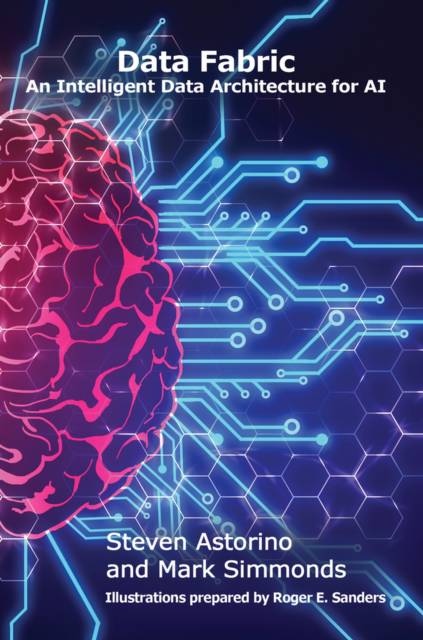
Data Fabric
An Intelligent Data Architecture for AI
Mark Simmonds, Steven Astorino
Paperback | Engels
€ 27,95
+ 55 punten
Omschrijving
Many organizations recognize the value and benefits Artificial Intelligence (AI) can bring if implemented correctly. This topic is outlined in the authors' previous book, Artificial Intelligence: Evolution and Revolution. A long-standing challenge that many organizations continue to face is preparing for AI and making sure that their data and assets are accessible, manageable, and governed and are of the right quality so that they can be consumed by new and existing AI applications in order to infuse AI across the enterprise to help drive smarter business outcomes. Over the years, numerous paradigms and efforts have attempted to address the complexities of managing sprawling and disparate data silos, but all seemed to have fallen short of their promises and expectations. Organizations need the flexibility to put their data and assets where it makes most business sense, whether that's on premises or in the private or public cloud. This book attempts to explain the concepts and values that a data fabric approach can deliver to both technical and business communities.
Specificaties
Betrokkenen
- Auteur(s):
- Uitgeverij:
Inhoud
- Aantal bladzijden:
- 104
- Taal:
- Engels
Eigenschappen
- Productcode (EAN):
- 9781583479049
- Verschijningsdatum:
- 1/12/2022
- Uitvoering:
- Paperback
- Formaat:
- Trade paperback (VS)
- Afmetingen:
- 157 mm x 221 mm
- Gewicht:
- 181 g


Alleen bij Standaard Boekhandel
+ 55 punten op je klantenkaart van Standaard Boekhandel
Cadeau

AANGERADEN


Beoordelingen
We publiceren alleen reviews die voldoen aan de voorwaarden voor reviews. Bekijk onze voorwaarden voor reviews.