


- Afhalen na 1 uur in een winkel met voorraad
- Gratis thuislevering in België vanaf € 30
- Ruim aanbod met 7 miljoen producten
- Afhalen na 1 uur in een winkel met voorraad
- Gratis thuislevering in België vanaf € 30
- Ruim aanbod met 7 miljoen producten





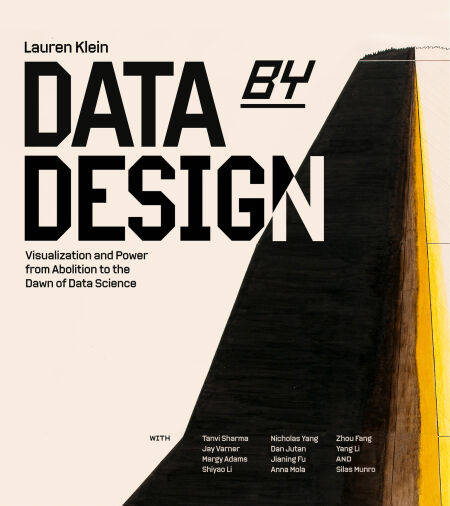
Data by Design E-BOOK
Visualization and Power from Abolition to the Dawn of Data Science
Lauren F. Klein, Tanvi Sharma, Jay Varner, Nicholas Yang, Dan Jutan
E-book | Engels
€ 39,42
+ 39 punten
Uitvoering
Omschrijving
How the history of data visualization holds the key to designing a more just future.
From maps of colonial empires to charts of national trade, data visualization has long been used to consolidate knowledge and power. But just as often, it has been used to uncover oppression and bring about change. Data by Design journeys across continents and over centuries to expose the power of visualization—and to show how it can be wielded back.
A group of British antislavery activists who created a diagram of captives in the hold of a ship, accelerating support for the abolitionist cause. A Ñudzahui (Mixtec) painter who designed a map for a king, testifying to his people’s sovereignty and claims to the land. These are but two stories of many, each expertly analyzed and illustrated in full-color detail, that confirm how visualization can lead to a more liberatory world. A set of new images, created by Lauren Klein and her research team—also viewable on an interactive website—further expands our sense of what visualization, when used with intention and care, can achieve.
A book for those who love charts and graphs, and for those who create them, Data by Design offers historical grounding, ethical clarity—and the inspiration we need—to envision a more just future.
From maps of colonial empires to charts of national trade, data visualization has long been used to consolidate knowledge and power. But just as often, it has been used to uncover oppression and bring about change. Data by Design journeys across continents and over centuries to expose the power of visualization—and to show how it can be wielded back.
A group of British antislavery activists who created a diagram of captives in the hold of a ship, accelerating support for the abolitionist cause. A Ñudzahui (Mixtec) painter who designed a map for a king, testifying to his people’s sovereignty and claims to the land. These are but two stories of many, each expertly analyzed and illustrated in full-color detail, that confirm how visualization can lead to a more liberatory world. A set of new images, created by Lauren Klein and her research team—also viewable on an interactive website—further expands our sense of what visualization, when used with intention and care, can achieve.
A book for those who love charts and graphs, and for those who create them, Data by Design offers historical grounding, ethical clarity—and the inspiration we need—to envision a more just future.
Specificaties
Betrokkenen
- Auteur(s):
- Uitgeverij:
Inhoud
- Aantal bladzijden:
- 288
- Taal:
- Engels
Eigenschappen
- Productcode (EAN):
- 9780262056199
- Verschijningsdatum:
- 19/10/2026
- Uitvoering:
- E-book
- Beveiligd met:
- Adobe DRM
- Formaat:
- ePub


Alleen bij Standaard Boekhandel
+ 39 punten op je klantenkaart van Standaard Boekhandel
Cadeau

AANGERADEN


Beoordelingen
We publiceren alleen reviews die voldoen aan de voorwaarden voor reviews. Bekijk onze voorwaarden voor reviews.