


- Afhalen na 1 uur in een winkel met voorraad
- Gratis thuislevering in België vanaf € 30
- Ruim aanbod met 7 miljoen producten
- Afhalen na 1 uur in een winkel met voorraad
- Gratis thuislevering in België vanaf € 30
- Ruim aanbod met 7 miljoen producten





€ 30,45
+ 60 punten
Omschrijving
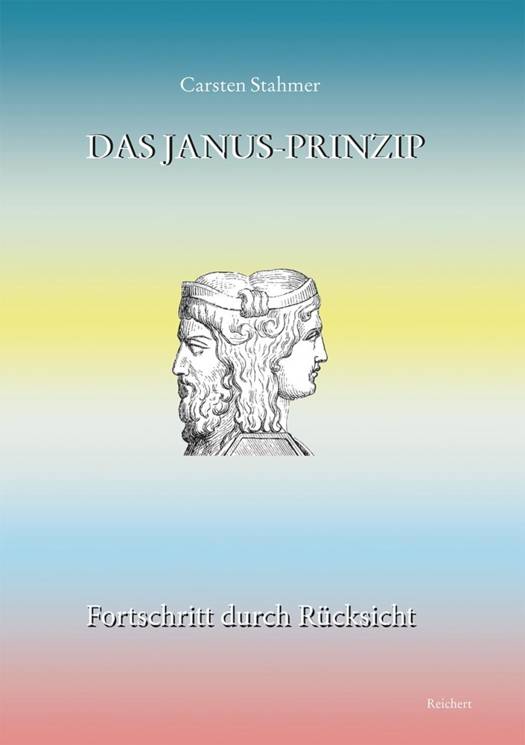
The Roman god Janus can still be a role model for us today. His double look forwards and backwards teaches us that retrospection is also necessary for sustainable progress. Retrospection has a double meaning in this context: it describes looking back into the past as well as looking after his fellow human beings for strengthening social cohesion. For a more detailed description of the Janus principle, historians, philosophers and psychologists have their say, as do writers and artists. In addition, numerous illustrations, examples from novels, poems, fairy tales, films and songs illustrate the topic presented. The first part of the book presents a wide variety of views on the question of whether human history has ultimately led to social progress. The second part describes reflections and well-considered retreats that could enable a new beginning with opportunities for progress. Finally, in the third and final part, it is examined whether there are approaches to strengthening the social cohesion of a society through mutual consideration and support. In the last chapter, Carsten Stahmer sets out concrete guidelines for a sustainable civil society without competitive pressure and state paternalism.
Specificaties
Betrokkenen
- Auteur(s):
- Uitgeverij:
Inhoud
- Aantal bladzijden:
- 376
- Taal:
- Duits
Eigenschappen
- Productcode (EAN):
- 9783752007213
- Verschijningsdatum:
- 17/10/2023
- Uitvoering:
- Hardcover
- Formaat:
- Genaaid
- Afmetingen:
- 186 mm x 26 mm
- Gewicht:
- 108 g



Alleen bij Standaard Boekhandel
+ 60 punten op je klantenkaart van Standaard Boekhandel
Cadeau

AANGERADEN


Beoordelingen
We publiceren alleen reviews die voldoen aan de voorwaarden voor reviews. Bekijk onze voorwaarden voor reviews.