


- Afhalen na 1 uur in een winkel met voorraad
- Gratis thuislevering in België vanaf € 30
- Ruim aanbod met 7 miljoen producten
- Afhalen na 1 uur in een winkel met voorraad
- Gratis thuislevering in België vanaf € 30
- Ruim aanbod met 7 miljoen producten





Omschrijving
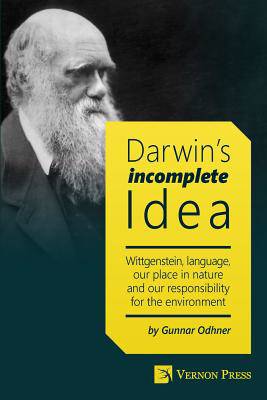
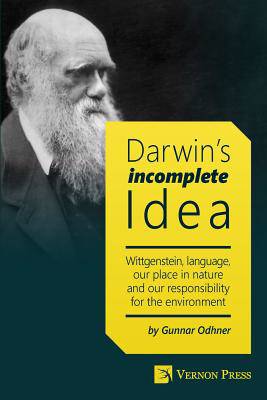
Why is progress in environmental protection slow and faltering? Is it because we misunderstand our place in nature? This book argues that it is the normative implications of Darwinism and their powerful grip on collective social consciousness that are partly responsible for the tardiness. For all its positive explanatory power and undoubted veracity, the normative implications of Darwinist thinking for our environmental predicament are stark: If we are children of Mother Nature equipped by her with a human nature, the responsibility for the deterioration of nature is partly Hers. This book takes a different standpoint. We are indeed children of Nature, but not primarily of the green nature or animal world but of the nature of language. We can understand how through the philosophy of Ludwig Wittgenstein, who states that "Language is a graft on instinctive behavior." In our instinctive use of words we are parts of nature in a way resembling mice, frogs and giraffes. We are not as free as we think when we talk about our "free will", because language uses us when we use it, hence our double roles as victims and instigators. The main thesis of this book is that rather than merely possessing language, we are language. If accepted, this realization may point the way to a more optimistic future for environmental protection and lay the foundations for a new analytical perspective on modern social behavior. "Darwin's Incomplete Idea" was much discussed when first published in Sweden (Bokförlaget Anomali, 2013). The English edition exposes, for the first time, this important work to an international audience. It should be of interest to philosophers of language and social scientists concerned about the environmen and our place in it.
Specificaties
Betrokkenen
- Auteur(s):
- Uitgeverij:
Inhoud
- Aantal bladzijden:
- 176
- Taal:
- Engels
Eigenschappen
- Productcode (EAN):
- 9781622731435
- Verschijningsdatum:
- 1/05/2016
- Uitvoering:
- Paperback
- Formaat:
- Trade paperback (VS)
- Afmetingen:
- 152 mm x 229 mm
- Gewicht:
- 244 g


Alleen bij Standaard Boekhandel
+ 122 punten op je klantenkaart van Standaard Boekhandel

Beoordelingen
We publiceren alleen reviews die voldoen aan de voorwaarden voor reviews. Bekijk onze voorwaarden voor reviews.