


- Afhalen na 1 uur in een winkel met voorraad
- Gratis thuislevering in België vanaf € 30
- Ruim aanbod met 7 miljoen producten
- Afhalen na 1 uur in een winkel met voorraad
- Gratis thuislevering in België vanaf € 30
- Ruim aanbod met 7 miljoen producten





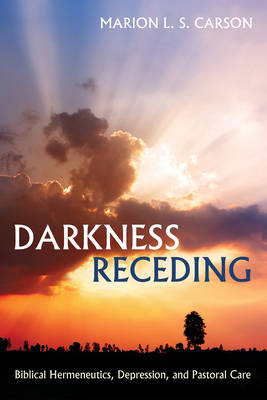
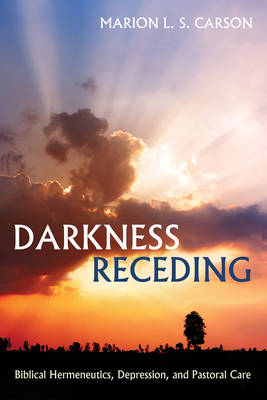
Darkness Receding
Biblical Hermeneutics, Depression, and Pastoral Care
Marion L S Carson
Hardcover | Engels
€ 54,45
+ 108 punten
Uitvoering
Omschrijving
How can the Bible inform the pastoral care of people with mental health challenges? This book suggests that many if not most readers of Scripture a adopt a "foundationalist" hermeneutic, which runs the risk of reducing Scripture to a book of instructions and pastoral care to a matter of dispensing advice. For people suffering from mental health challenges in general and depression in particular, however, this approach can be counterproductive, adding to spiritual and mental distress rather than helping to alleviate it. Here, Marion Carson offers an alternative way of reading Scripture for pastoral care that draws on the work of biblical studies as well as pastoral theology. Focusing on Rom 5:1-5, in which suffering and hope are explicitly linked, she argues that a hermeneutic based on character ethics can help Christian communities of faithful, hopeful, and loving people to develop sensitive and nuanced approaches to pastoral care and so to be "agents of hope" to those who are feeling hopeless because of severe depression.
Specificaties
Betrokkenen
- Auteur(s):
- Uitgeverij:
Inhoud
- Aantal bladzijden:
- 170
- Taal:
- Engels
Eigenschappen
- Productcode (EAN):
- 9781666756845
- Verschijningsdatum:
- 24/02/2026
- Uitvoering:
- Hardcover
- Formaat:
- Genaaid
- Afmetingen:
- 152 mm x 229 mm
- Gewicht:
- 403 g


Alleen bij Standaard Boekhandel
+ 108 punten op je klantenkaart van Standaard Boekhandel
Cadeau

AANGERADEN


Beoordelingen
We publiceren alleen reviews die voldoen aan de voorwaarden voor reviews. Bekijk onze voorwaarden voor reviews.