


- Afhalen na 1 uur in een winkel met voorraad
- Gratis thuislevering in België vanaf € 30
- Ruim aanbod met 7 miljoen producten
- Afhalen na 1 uur in een winkel met voorraad
- Gratis thuislevering in België vanaf € 30
- Ruim aanbod met 7 miljoen producten





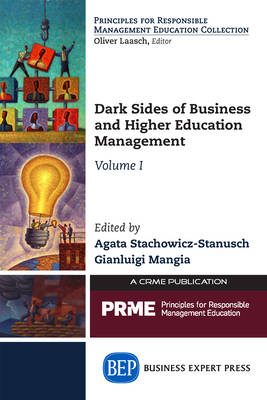
Dark Sides of Business and Higher Education Management, Volume I
Agata Stachowicz-Stanusch, Gianluigi Mangia
Paperback | Engels
€ 30,95
+ 61 punten
Eenvoudig bestellen
Veilig betalen


Gratis thuislevering vanaf € 30 (via bpost)
Gratis levering in je Standaard Boekhandel
Omschrijving
Contemporary management studies usually focus on positive and desirable solutions that increase the organizational effectiveness and performance. As a result, graduates of higher business schools are totally unaware of the risk associated with management misconduct that often results in corrupt scandals, erosion of public trust to their organizations, or even the collapse of profitable corporations. The last decade, in fact, has been abundant in numerous examples of corruption scandals in modern organizations and instances of management misconduct that have eroded public faith (such as Enron, WorldCom, Tyco, Adelphia, Arthur Andersen, and Parmalat). Due to repeated misconducts and a highly active dark side, scholars started paying more attention to the so-called Òdark sideÓ of organizations, as something no longer exceptional to organizational life. This book attempts to shed light on the reality of challenges for business practices and higher education management that stem from misconduct occurring in various aspects of business and educational environment.
Specificaties
Betrokkenen
- Auteur(s):
- Uitgeverij:
Inhoud
- Aantal bladzijden:
- 230
- Taal:
- Engels
Eigenschappen
- Productcode (EAN):
- 9781631573552
- Verschijningsdatum:
- 28/09/2016
- Uitvoering:
- Paperback
- Formaat:
- Trade paperback (VS)
- Afmetingen:
- 152 mm x 229 mm
- Gewicht:
- 326 g


Alleen bij Standaard Boekhandel
+ 61 punten op je klantenkaart van Standaard Boekhandel
CADEAU

AANGERADEN


Beoordelingen
We publiceren alleen reviews die voldoen aan de voorwaarden voor reviews. Bekijk onze voorwaarden voor reviews.