


- Afhalen na 1 uur in een winkel met voorraad
- Gratis thuislevering in België vanaf € 30
- Ruim aanbod met 7 miljoen producten
- Afhalen na 1 uur in een winkel met voorraad
- Gratis thuislevering in België vanaf € 30
- Ruim aanbod met 7 miljoen producten





€ 13,95
+ 27 punten
Omschrijving
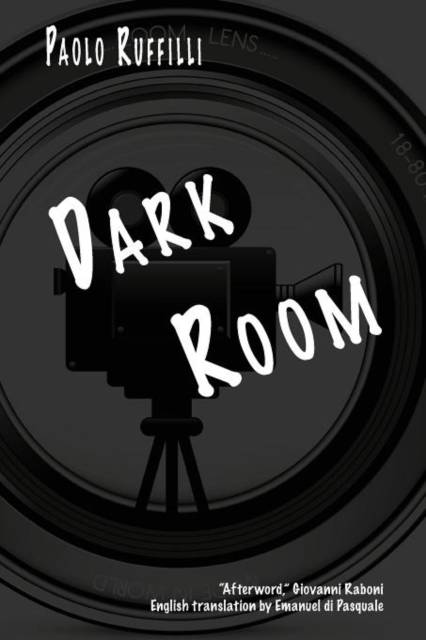
The fine citation by Roland Barthes, which Ruffilli has posted as epigraph to this book, can induce (and, as far as I am concerned, has fleetingly induced me) to a curious "optic" error. For a few instants, I supposed that the title of Ruffilli's book derived, in an overturn, by a book, Barthes's, from which the citation is taken: Dark Room, that is, instead of white room. Naturally, reason quickly corrected the error: It was nothing like that: Barthes's title is overturning something, precisely a current expression, while that of Ruffilli rectifies and integrates it, that expression, in the semantic norm (even if, as it is well-understood, not without its halo of ambiguity, of ulterior feelings). . . . A discreet connoisseur of Italian poetry of this century will quickly see in Ruffilli's verses the continuity of a noble tradition, made of refined poverty, of contracted music, up to the extreme limit of inaudibility, which reaches its high point in the poetry of Giorgio Caproni; and he will think, then, of certain tangents, even thematic, between the present story in Camera oscura and the unforgettable story of Annina in Seme del piangere. But just as easy, and certainly owed, will be to watch how Ruffilli works on his verbal and sentimental material with a sort of tenacity and "scientific" impassibility, which is not Caproni's regarding how the very stillness of the photographic image constitutes a "moving" and formal correlative. - GIOVANNI RABONI, "Afterword"
Specificaties
Betrokkenen
- Auteur(s):
- Vertaler(s):
- Uitgeverij:
Inhoud
- Aantal bladzijden:
- 96
- Taal:
- Engels
Eigenschappen
- Productcode (EAN):
- 9781599540214
- Verschijningsdatum:
- 1/12/2011
- Uitvoering:
- Paperback
- Formaat:
- Trade paperback (VS)
- Afmetingen:
- 152 mm x 229 mm
- Gewicht:
- 140 g



Alleen bij Standaard Boekhandel
+ 27 punten op je klantenkaart van Standaard Boekhandel
CADEAU

AANGERADEN


Beoordelingen
We publiceren alleen reviews die voldoen aan de voorwaarden voor reviews. Bekijk onze voorwaarden voor reviews.