


- Afhalen na 1 uur in een winkel met voorraad
- Gratis thuislevering in België vanaf € 30
- Ruim aanbod met 7 miljoen producten
- Afhalen na 1 uur in een winkel met voorraad
- Gratis thuislevering in België vanaf € 30
- Ruim aanbod met 7 miljoen producten





€ 187,45
+ 374 punten
Omschrijving
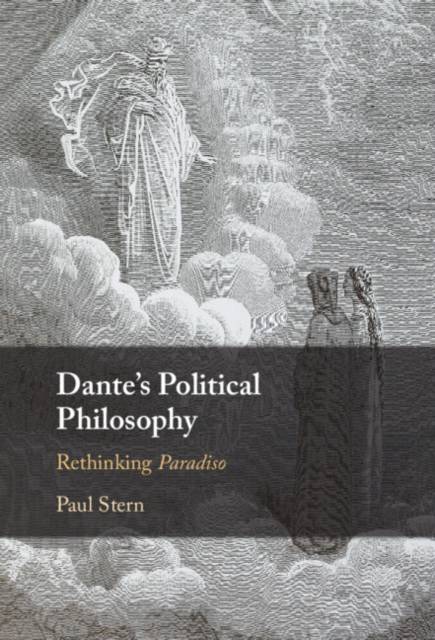
Dante's Divina Commedia/Divine Comedy (completed c. 1321) is considered one of the greatest works in Western literature, and its three canticles - Inferno, Purgatorio, and Paradiso - have had a powerful influence on subsequent literature and thought. Dante shares the classical idea that political philosophy aims to defend the philosophic life, and in Paradiso he does just that, defending philosophy, understood as a way of life, against its subordination to Christianity. Paul Stern shows the contribution Dante's reflection on political life makes to his theoretical defense of the philosophic life, a life whose character and goodness are conveyed by his intensely self-reflective poetry. On his account, Dante's approach can guide our judgment of any proposal for the comprehensive transformation of human existence. It enables us, in short, to think more clearly about just what we should mean by paradise.
Specificaties
Betrokkenen
- Auteur(s):
- Uitgeverij:
Inhoud
- Aantal bladzijden:
- 302
- Taal:
- Engels
Eigenschappen
- Productcode (EAN):
- 9781009687256
- Verschijningsdatum:
- 12/03/2026
- Uitvoering:
- Hardcover
- Formaat:
- Genaaid
- Afmetingen:
- 152 mm x 229 mm
- Gewicht:
- 571 g


Alleen bij Standaard Boekhandel
+ 374 punten op je klantenkaart van Standaard Boekhandel
Cadeau

AANGERADEN


Beoordelingen
We publiceren alleen reviews die voldoen aan de voorwaarden voor reviews. Bekijk onze voorwaarden voor reviews.