


- Afhalen na 1 uur in een winkel met voorraad
- Gratis thuislevering in België vanaf € 30
- Ruim aanbod met 7 miljoen producten
- Afhalen na 1 uur in een winkel met voorraad
- Gratis thuislevering in België vanaf € 30
- Ruim aanbod met 7 miljoen producten





€ 84,95
+ 169 punten
Omschrijving
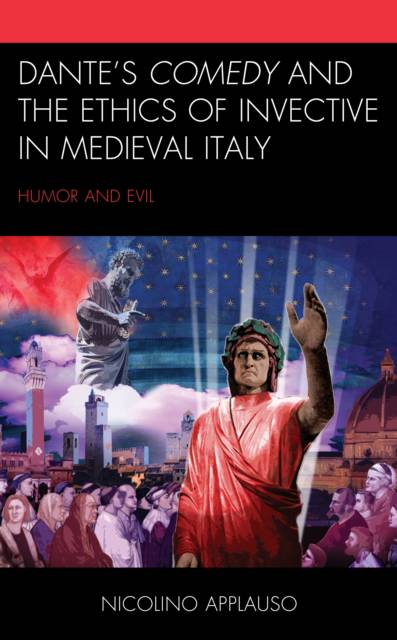
Dante's Comedy and the Ethics of Invective in Medieval Italy proposes a new approach to invective and comic poetry in Italy during the thirteenth and fourteenth centuries and opens the way for an innovative understanding of Dante's masterpiece. The Middle Ages in Italy offer a wealth of vernacular poetic invectives--polemical verses aimed at blaming specific wrongdoings of an individual, group, city or institution-- that are both understudied and rarely juxtaposed. No study has yet provided a scholarly examination of the connection between this medieval invective tradition, and its elements of humor, derision, and reprehension in Dante's Comedy. This book argues that these comic texts are rooted in and actively engaged with the social, political, and religious conflicts of their time. Political invective has a dynamic ethical orientation that is mediated by a humor that disarms excessive hostility against its individual targets, providing an opening for dialogue. While exploring medieval comic poems by Rustico Filippi (from Florence), Cecco Angiolieri (from Siena), and Folgore da San Gimignano, this study unveils new biographical data about these poets retrieved from Italian state archives (most of these data are published here in English for the very first time), and ultimately shows what the medieval invective tradition can add to our understanding of Dante's Comedy.
Specificaties
Betrokkenen
- Auteur(s):
- Uitgeverij:
Inhoud
- Aantal bladzijden:
- 350
- Taal:
- Engels
- Reeks:
Eigenschappen
- Productcode (EAN):
- 9781498567800
- Verschijningsdatum:
- 15/07/2021
- Uitvoering:
- Paperback
- Formaat:
- Trade paperback (VS)
- Afmetingen:
- 152 mm x 229 mm
- Gewicht:
- 467 g



Alleen bij Standaard Boekhandel
+ 169 punten op je klantenkaart van Standaard Boekhandel
Cadeau

AANGERADEN


Beoordelingen
We publiceren alleen reviews die voldoen aan de voorwaarden voor reviews. Bekijk onze voorwaarden voor reviews.