


- Afhalen na 1 uur in een winkel met voorraad
- Gratis thuislevering in België vanaf € 30
- Ruim aanbod met 7 miljoen producten
- Afhalen na 1 uur in een winkel met voorraad
- Gratis thuislevering in België vanaf € 30
- Ruim aanbod met 7 miljoen producten





Omschrijving
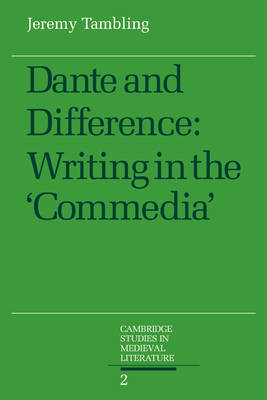
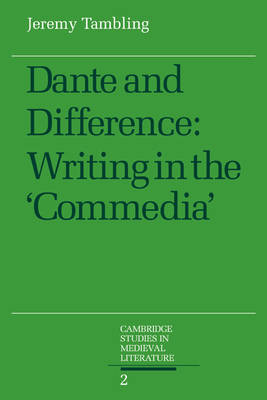
This book presents an interesting approach to Dante's Divine Comedy, drawing on medieval theories of reading and understanding a text, and comparing them with modern critical theories of hermeneutics and approaches to the text associated with the work of Derrida. Dr Tambling rejects any attempt to identify a fundamental unity of thought in the poem and stresses the importance of opposition and divergence. This leads him to react against reductively 'allegorical' readings, and to ask in what way Christianity can be said to be articulated within the work. This important interpretation will be of value to all students and scholars of Dante, as well as to those whose work lies in the fields of general medieval literature, comparative literature and critical theory.
Specificaties
Betrokkenen
- Auteur(s):
- Uitgeverij:
Inhoud
- Aantal bladzijden:
- 220
- Taal:
- Engels
- Reeks:
- Reeksnummer:
- nr. 2
Eigenschappen
- Productcode (EAN):
- 9780521044622
- Verschijningsdatum:
- 29/11/2007
- Uitvoering:
- Paperback
- Formaat:
- Trade paperback (VS)
- Afmetingen:
- 152 mm x 229 mm
- Gewicht:
- 326 g


Alleen bij Standaard Boekhandel
+ 152 punten op je klantenkaart van Standaard Boekhandel
Cadeau

AANGERADEN


Beoordelingen
We publiceren alleen reviews die voldoen aan de voorwaarden voor reviews. Bekijk onze voorwaarden voor reviews.