


- Afhalen na 1 uur in een winkel met voorraad
- Gratis thuislevering in België vanaf € 30
- Ruim aanbod met 7 miljoen producten
- Afhalen na 1 uur in een winkel met voorraad
- Gratis thuislevering in België vanaf € 30
- Ruim aanbod met 7 miljoen producten





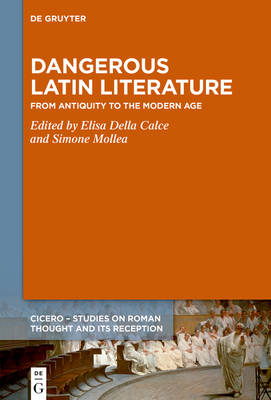
Dangerous Latin Literature
From Antiquity to the Modern Age. Proceedings of the International Conference in Turin, June 30 to July 1, 2022
€ 93,45
+ 186 punten
Omschrijving
"A book is a loaded gun in the house next door. Burn it." Can a book really be dangerous? To take literally these words of Captain Beatty of Fahrenheit 451 one would say yes. Of course, even in this case, it is not the object book in and by itself to be regarded as dangerous, but its content. Yet in what terms is dangerousness to be conceived? Dangerous for whom? Dangerous when? Dangerous where? Dangerous why? It is sufficient to look for a general single answer to each of these questions to understand that the possible dangerousness of any one book involves several factors, starting with author(s) and recipient(s), time and place of the diffusion of a book, socio-political and religious constrictions. The papers of this volume throw further light on the dangers provoked by books as well as to the reactions to these dangers by focusing on Latin texts from antiquity to the Modern Age. Taken together, they broaden horizons by going beyond official notions of canons, expurgation, and book-burning, and leaving considerations of the notion of danger and the use of the Latin language as the only necessary criteria.
Specificaties
Betrokkenen
- Uitgeverij:
Inhoud
- Aantal bladzijden:
- 469
- Taal:
- Engels
- Reeks:
- Reeksnummer:
- nr. 12
Eigenschappen
- Productcode (EAN):
- 9783112225820
- Verschijningsdatum:
- 4/05/2026
- Uitvoering:
- Hardcover
- Formaat:
- Genaaid
- Afmetingen:
- 155 mm x 230 mm
- Gewicht:
- 1098 g

Alleen bij Standaard Boekhandel
+ 186 punten op je klantenkaart van Standaard Boekhandel
Cadeau

AANGERADEN


Beoordelingen
We publiceren alleen reviews die voldoen aan de voorwaarden voor reviews. Bekijk onze voorwaarden voor reviews.