


- Afhalen na 1 uur in een winkel met voorraad
- Gratis thuislevering in België vanaf € 30
- Ruim aanbod met 7 miljoen producten
- Afhalen na 1 uur in een winkel met voorraad
- Gratis thuislevering in België vanaf € 30
- Ruim aanbod met 7 miljoen producten





€ 48,45
+ 96 punten
Uitvoering
Omschrijving
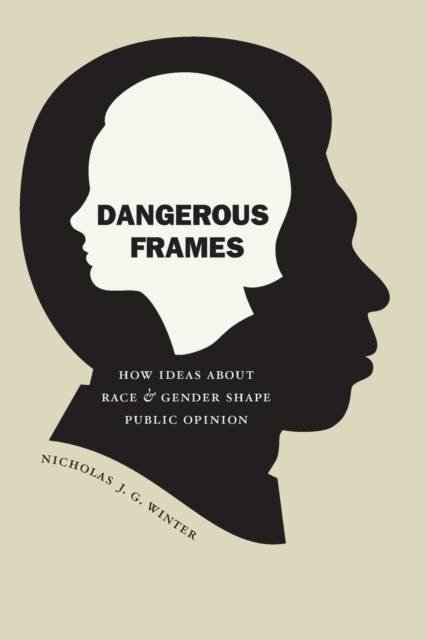
In addition to their obvious roles in American politics, race and gender also work in hidden ways to profoundly influence the way we think-and vote-about a vast array of issues that don't seem related to either category. As Nicholas Winter reveals in Dangerous Frames, politicians and leaders often frame these seemingly unrelated issues in ways that prime audiences to respond not to the policy at hand but instead to the way its presentation resonates with their deeply held beliefs about race and gender. Winter shows, for example, how official rhetoric about welfare and Social Security has tapped into white Americans' racial biases to shape their opinions on both issues for the past two decades. Similarly, the way politicians presented health care reform in the 1990s divided Americans along the lines of their attitudes toward gender. Combining cognitive and political psychology with innovative empirical research, Dangerous Frames ultimatelyilluminates the emotional underpinnings of American politics.
Specificaties
Betrokkenen
- Auteur(s):
- Uitgeverij:
Inhoud
- Aantal bladzijden:
- 224
- Taal:
- Engels
- Reeks:
Eigenschappen
- Productcode (EAN):
- 9780226902371
- Verschijningsdatum:
- 1/05/2008
- Uitvoering:
- Paperback
- Formaat:
- Trade paperback (VS)
- Afmetingen:
- 152 mm x 228 mm
- Gewicht:
- 385 g


Alleen bij Standaard Boekhandel
+ 96 punten op je klantenkaart van Standaard Boekhandel
Cadeau

AANGERADEN


Beoordelingen
We publiceren alleen reviews die voldoen aan de voorwaarden voor reviews. Bekijk onze voorwaarden voor reviews.