


- Afhalen na 1 uur in een winkel met voorraad
- Gratis thuislevering in België vanaf € 30
- Ruim aanbod met 7 miljoen producten
- Afhalen na 1 uur in een winkel met voorraad
- Gratis thuislevering in België vanaf € 30
- Ruim aanbod met 7 miljoen producten




€ 228,95
+ 457 punten
Eenvoudig bestellen
Veilig betalen


Gratis thuislevering vanaf € 30 (via bpost)
Gratis levering in je Standaard Boekhandel
Omschrijving
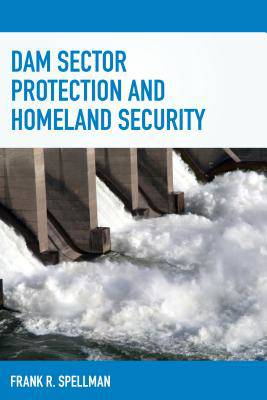
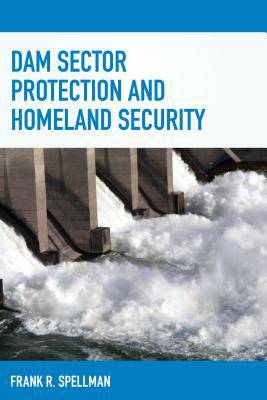
The sixth of a new, well-received and highly acclaimed series on critical infrastructure and homeland security, Dam Protection and Homeland Security is a reference source that is designed to serve and advise U.S. project designers, engineers, managers, superintendents and supervisors of dams, navigation locks, levees, dikes, hurricane barriers, mine tailings and other industrial waste impoundments, and other similar water retention and water control facilities who want quick answers to complicated questions. It is intended to help employers and employees handle security threats they must be prepared to meet on a daily basis. In the post-September 11 world, the possibility of dam infrastructure terrorism--the malicious use of weapons and cyber intrusion to cause devastating damage to the dam infrastructure sector along with, literally, its cascading effects--is very real. Thus, the need is clear and so is the format and guidelines presented in this text to improve protection and resilience of the dams infrastructure sector. This book describes the sector-wide process required to identify and prioritize assets, assess risk in the sector, implement protective programs and resilience strategies, and measure their effectives.
Specificaties
Betrokkenen
- Auteur(s):
- Uitgeverij:
Inhoud
- Aantal bladzijden:
- 274
- Taal:
- Engels
- Reeks:
Eigenschappen
- Productcode (EAN):
- 9781598888737
- Verschijningsdatum:
- 5/01/2017
- Uitvoering:
- Paperback
- Formaat:
- Trade paperback (VS)
- Afmetingen:
- 152 mm x 229 mm
- Gewicht:
- 408 g


Alleen bij Standaard Boekhandel
+ 457 punten op je klantenkaart van Standaard Boekhandel
CADEAU

AANGERADEN


Beoordelingen
We publiceren alleen reviews die voldoen aan de voorwaarden voor reviews. Bekijk onze voorwaarden voor reviews.