


- Afhalen na 1 uur in een winkel met voorraad
- Gratis thuislevering in België vanaf € 30
- Ruim aanbod met 7 miljoen producten
- Afhalen na 1 uur in een winkel met voorraad
- Gratis thuislevering in België vanaf € 30
- Ruim aanbod met 7 miljoen producten





Omschrijving
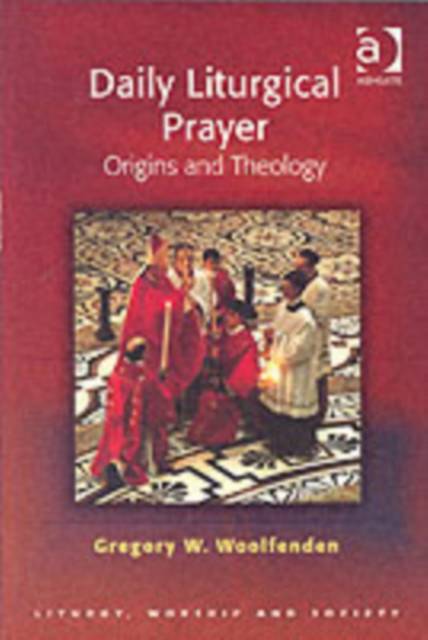
Tracing the origins of daily prayer from the New Testament and Patristic period, through the Reformation and Renaissance to the present, this book examines the development of daily rites across a broad range of traditions including: Pre-Crusader Constantinopolitan, East and West Syrian, Coptic and Ethiopian, non-Roman and Roman Western. Structure, texts and ceremonial are examined, and contemporary scholarship surveyed. Concluding with a critique of the present tenor of liturgical revision, Gregory Woolfenden raises key questions for current liturgical change, suggests to whom these questions should be addressed, and proposes that the daily office might be the springboard for an authentic baptismal spirituality. The author explores how prayer and poetic texts indicate that the thrust of the ancient offices was a movement from night to morning - from death to resurrection.
Specificaties
Betrokkenen
- Auteur(s):
- Uitgeverij:
Inhoud
- Aantal bladzijden:
- 338
- Taal:
- Engels
- Reeks:
Eigenschappen
- Productcode (EAN):
- 9780754616016
- Verschijningsdatum:
- 20/07/2004
- Uitvoering:
- Paperback
- Formaat:
- Trade paperback (VS)
- Afmetingen:
- 155 mm x 231 mm
- Gewicht:
- 635 g


Alleen bij Standaard Boekhandel
+ 216 punten op je klantenkaart van Standaard Boekhandel
Cadeau

AANGERADEN


Beoordelingen
We publiceren alleen reviews die voldoen aan de voorwaarden voor reviews. Bekijk onze voorwaarden voor reviews.