


- Afhalen na 1 uur in een winkel met voorraad
- Gratis thuislevering in België vanaf € 30
- Ruim aanbod met 7 miljoen producten
- Afhalen na 1 uur in een winkel met voorraad
- Gratis thuislevering in België vanaf € 30
- Ruim aanbod met 7 miljoen producten





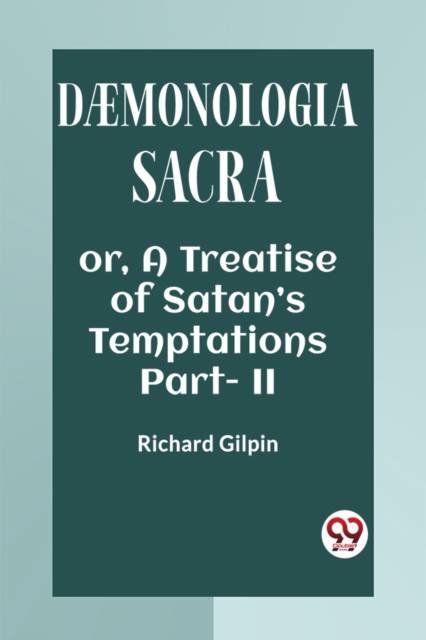
DAEMONOLOGIA SACRA OR, A TREATISE OF SATAN'S TEMPTATIONS Part - II
Richard Gilpin
Paperback | Engels
€ 27,45
+ 54 punten
Omschrijving
"Dæmonologia Sacra, or, A Treatise of Satan's Temptations Part II" is a profound work authored with the aid of Richard Gilpin, a seventeenth-century English clergyman and theologian. Published inside the 17th century, this treatise serves as the second one part of a comprehensive examination of the enticements posed by Satan. The book delves into the theological exploration of demonic affects and Satan's techniques to tempt individuals. Richard Gilpin draws on biblical references, non-secular doctrine, and his deep know-how of Christian theology to investigate the character of those temptations. The work pursuits to offer perception into recognizing and resisting the wiles of Satan, providing guidance to individuals navigating spiritual demanding situations. Gilpin's "Dæmonologia Sacra" is a mirrored image of the religious and highbrow climate of the time, addressing worries approximately the influence of evil forces on human conduct. As an influential clergyman, Gilpin contributes to the wider discourse on religious struggle and the moral struggles faced with the aid of believers. The treatise remains a considerable historic and theological work, imparting a window into the non-secular concept of the 17th century. Gilpin's meticulous exploration of Satan's temptations and his steering on non-secular resilience make a contribution to the long-lasting relevance of "Dæmonologia Sacra" inside the take a look at of Christian theology and the records of religious notion.
Specificaties
Betrokkenen
- Auteur(s):
- Uitgeverij:
Inhoud
- Aantal bladzijden:
- 224
- Taal:
- Engels
Eigenschappen
- Productcode (EAN):
- 9789360464431
- Verschijningsdatum:
- 1/01/2024
- Uitvoering:
- Paperback
- Formaat:
- Trade paperback (VS)
- Afmetingen:
- 140 mm x 216 mm
- Gewicht:
- 290 g



Alleen bij Standaard Boekhandel
+ 54 punten op je klantenkaart van Standaard Boekhandel
Cadeau

AANGERADEN


Beoordelingen
We publiceren alleen reviews die voldoen aan de voorwaarden voor reviews. Bekijk onze voorwaarden voor reviews.