



Je cadeautjes zeker op tijd in huis hebben voor de feestdagen? Kom langs in onze winkels en vind het perfecte geschenk!
- Afhalen na 1 uur in een winkel met voorraad
- Gratis thuislevering in België vanaf € 30
- Ruim aanbod met 7 miljoen producten
Je cadeautjes zeker op tijd in huis hebben voor de feestdagen? Kom langs in onze winkels en vind het perfecte geschenk!
- Afhalen na 1 uur in een winkel met voorraad
- Gratis thuislevering in België vanaf € 30
- Ruim aanbod met 7 miljoen producten





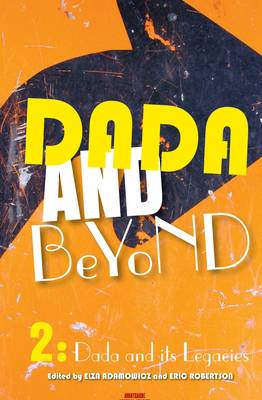
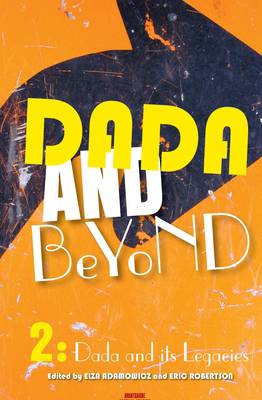
Dada and Beyond, Volume 2
Dada and Its Legacies
€ 148,45
+ 296 punten
Omschrijving
International, iconoclastic, inventive, born out of the institutionalised madness of the First World War, Dada erupted in cities throughout Europe and the USA, creating shock waves that offended polite society and destabilised the cultural and political status quo. In spite of its sporadic and ephemeral character, its rich and diverse legacy is still powerfully felt nearly a century later. Following on from Dada and Beyond Volume 1: Dada Discourses, the sixteen essays in this collection provide critical examinations of Dada, placing particular emphasis on the ongoing impact of its creative output. The chapters examine its pivotal figures as well as its more peripheral protagonists, their different geographic locations, and the extraordinary diversity of their practices that included poetry, painting, printmaking, dance, performance, theatre, textiles, readymades, photomontage and cinema.
As the book's authors reveal, Dada not only anticipates Surrealism but also foreshadows an extraordinary array of more recent tendencies including action painting, conceptual art, outsider art, performance art, environmental and land art. In its privileging of chance and automatism, its rejection of formal artistic institutions, its subversive exploitation of mass media and its constant self-reconstitution and self-redefinition, Dada deserves to be seen as a cultural phenomenon that is still powerfully relevant in the twenty-first century.
As the book's authors reveal, Dada not only anticipates Surrealism but also foreshadows an extraordinary array of more recent tendencies including action painting, conceptual art, outsider art, performance art, environmental and land art. In its privileging of chance and automatism, its rejection of formal artistic institutions, its subversive exploitation of mass media and its constant self-reconstitution and self-redefinition, Dada deserves to be seen as a cultural phenomenon that is still powerfully relevant in the twenty-first century.
Specificaties
Betrokkenen
- Uitgeverij:
Inhoud
- Aantal bladzijden:
- 284
- Taal:
- Engels
- Reeks:
- Reeksnummer:
- nr. 27
Eigenschappen
- Productcode (EAN):
- 9789042035898
- Verschijningsdatum:
- 1/01/2012
- Uitvoering:
- Hardcover
- Formaat:
- Genaaid
- Afmetingen:
- 155 mm x 235 mm
- Gewicht:
- 557 g

Alleen bij Standaard Boekhandel
+ 296 punten op je klantenkaart van Standaard Boekhandel
CADEAU


Beoordelingen
We publiceren alleen reviews die voldoen aan de voorwaarden voor reviews. Bekijk onze voorwaarden voor reviews.