


- Afhalen na 1 uur in een winkel met voorraad
- Gratis thuislevering in België vanaf € 30
- Ruim aanbod met 7 miljoen producten
- Afhalen na 1 uur in een winkel met voorraad
- Gratis thuislevering in België vanaf € 30
- Ruim aanbod met 7 miljoen producten





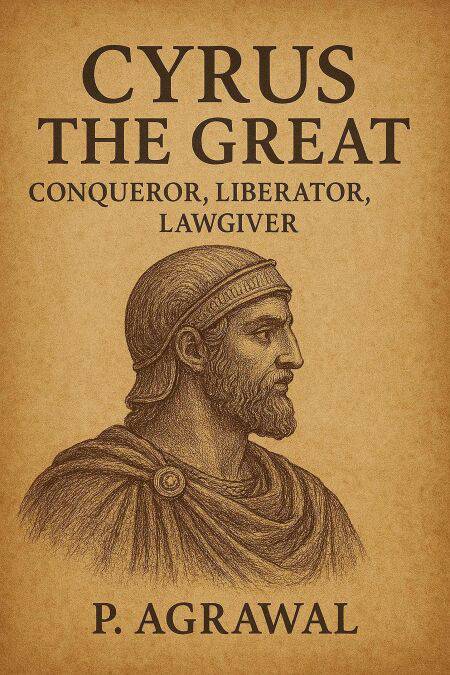
Cyrus the Great: Conqueror, Liberator, Lawgiver E-BOOK
Crowned in Glory: The World's Greatest Kings, #2
P. Agrawal
€ 2,99
+ 2 punten
Omschrijving
Cyrus the Great: Conqueror, Liberator, Lawgiver is a clear and compelling life of the founder of the Achaemenid Empire, told in twenty flowing chapters that unite storytelling with careful history. Beginning with Cyrus's foretold birth and humble upbringing in Anshan, the book follows his rise against the Medes, his wise consolidation of Persia and Media, and the westward victories that reshaped the ancient world. Readers encounter the dramatic fall of Lydia under Croesus, the strategic and humane capture of Babylon in 539 BCE, and the policies that made Cyrus as admired for mercy as for military skill.
More than a record of campaigns, this is a study of character, principle, and statecraft. The narrative shows how Cyrus governed through fairness, light taxation, and local autonomy; how his satrapal system balanced regional custom with imperial oversight; and how speedy communications and discipline gave the empire cohesion. The book's heart lies in Cyrus's ethical vision—religious tolerance, restoration of temples, return of displaced peoples, and the ideal of rule by justice. The chapters on the Cyrus Cylinder and law highlight his lasting contribution to human dignity and orderly government.
The middle sections bring readers into the council-tents and corridors of power: the trust he placed in capable generals like Harpagus and Gobryas, the diplomatic art that won cities with promises kept, and the family circle where he prepared his heirs while warning against rivalry. Later chapters move from battlefield to memory—his final northern campaign against the Massagetae, his noble death, and the quiet grandeur of his tomb at Pasargadae.
The closing chapters consider Cyrus through ancient eyes—Herodotus's history, Xenophon's ideal king, Babylonian inscriptions, and the reverence found in Hebrew scripture—before turning to legacy and relevance. They trace how his methods shaped later Persian rule, influenced Greek and Roman thought, and foreshadowed modern ideas of human rights and plural governance. Written in simple, bookish language, this biography offers students, general readers, and leaders a timeless portrait of power guided by conscience. It argues that Cyrus's greatest conquest was not territory, but the durable partnership between strength and mercy—and that his standard of enlightened rule remains a living guide for an unsettled world.
Specificaties
Betrokkenen
- Auteur(s):
- Uitgeverij:
Inhoud
- Taal:
- Engels
- Reeks:
Eigenschappen
- Productcode (EAN):
- 9798232509774
- Verschijningsdatum:
- 23/10/2025
- Uitvoering:
- E-book
- Formaat:
- ePub


Alleen bij Standaard Boekhandel
+ 2 punten op je klantenkaart van Standaard Boekhandel
Cadeau

AANGERADEN


Beoordelingen
We publiceren alleen reviews die voldoen aan de voorwaarden voor reviews. Bekijk onze voorwaarden voor reviews.