


- Afhalen na 1 uur in een winkel met voorraad
- Gratis thuislevering in België vanaf € 30
- Ruim aanbod met 7 miljoen producten
- Afhalen na 1 uur in een winkel met voorraad
- Gratis thuislevering in België vanaf € 30
- Ruim aanbod met 7 miljoen producten





€ 36,45
+ 72 punten
Uitvoering
Omschrijving
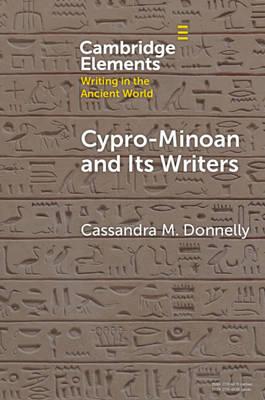
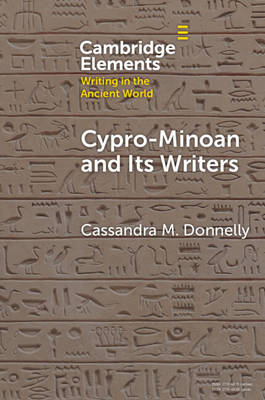
Poised as middlemen between the Ancient Near East and the Aegean, writers of Cypro-Minoan, the undeciphered Late Bronze Age script of Cyprus, borrowed and transformed writing practices from their neighbors and invented new ones. Bits and pieces of the script are found throughout the Mediterranean, but there are few clay tablets, characteristic of neighboring scribal-based, administrative writing traditions. Instead, Cypro-Minoan writers wrote on mercantile objects, outside of scribal schools. As the administrative centers of the eastern Mediterranean collapsed c. 1177 BCE administrative writing systems went with them. Cypro-Minoan remained in use, presaging the spread of the Phoenician alphabet. This Element explores the role of writing and trade during the collapse period and introduces readers to the Cypro-Minoan script, its history, and approaches to its decipherment, showing that writers of an undeciphered script can still communicate when we take the care to look for them.
Specificaties
Betrokkenen
- Auteur(s):
- Uitgeverij:
Inhoud
- Aantal bladzijden:
- 94
- Taal:
- Engels
- Reeks:
Eigenschappen
- Productcode (EAN):
- 9781009381802
- Verschijningsdatum:
- 2/01/2025
- Uitvoering:
- Paperback
- Formaat:
- Trade paperback (VS)
- Afmetingen:
- 152 mm x 229 mm
- Gewicht:
- 136 g


Alleen bij Standaard Boekhandel
+ 72 punten op je klantenkaart van Standaard Boekhandel
Cadeau

AANGERADEN


Beoordelingen
We publiceren alleen reviews die voldoen aan de voorwaarden voor reviews. Bekijk onze voorwaarden voor reviews.