


- Afhalen na 1 uur in een winkel met voorraad
- Gratis thuislevering in België vanaf € 30
- Ruim aanbod met 7 miljoen producten
- Afhalen na 1 uur in een winkel met voorraad
- Gratis thuislevering in België vanaf € 30
- Ruim aanbod met 7 miljoen producten





€ 70,95
+ 141 punten
Omschrijving
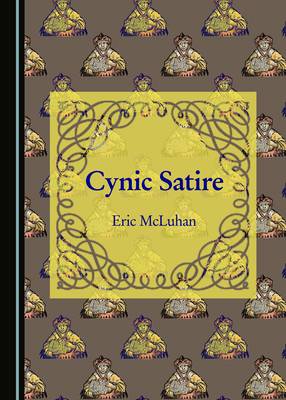
A Menippean-Cynic-satire is a device for producing a specific kind of effect on the reader. Menippean satire is an active form, not a passive one: any work that produces the effect of a Menippean satire is a Menippean satire. It is the embodiment of a Cynic-of a Diogenes or a Menippus or a Lucian or a Rabelais. For centuries, it has frustrated the best efforts of critics to define it. Descriptive criteria (such as a mixture of verse and prose) invariably fail because the form is determinedly fluid and polymorphous, and playful: it shifts its mode of attack with every change in culture or perception. Menippists plagiarize with abandon, from anyone and any period and culture. McLuhan has found a new and potent method of coming to grips with the satires by examining their interaction with the audience: the satire does what a Cynic would, were he or she physically present. This approach accounts for every shift in technique, from the most ancient (Homer composed one, the Margites) to tomorrow afternoon, and also opens the discussion of Menippism in any and all media other than literature-TV, digital, film, radio, et al. The book ends with a litmus test for detecting Menippean satires. It is also lavishly illustrated with title pages of some of the most notorious examples in the tradition, and will be ideal as a textbook for undergraduates
Specificaties
Betrokkenen
- Auteur(s):
- Uitgeverij:
Inhoud
- Aantal bladzijden:
- 250
- Taal:
- Engels
Eigenschappen
- Productcode (EAN):
- 9781443877602
- Verschijningsdatum:
- 1/10/2015
- Uitvoering:
- Hardcover
- Formaat:
- Genaaid
- Afmetingen:
- 150 mm x 208 mm
- Gewicht:
- 498 g


Alleen bij Standaard Boekhandel
+ 141 punten op je klantenkaart van Standaard Boekhandel
Cadeau

AANGERADEN


Beoordelingen
We publiceren alleen reviews die voldoen aan de voorwaarden voor reviews. Bekijk onze voorwaarden voor reviews.