


- Afhalen na 1 uur in een winkel met voorraad
- Gratis thuislevering in België vanaf € 30
- Ruim aanbod met 7 miljoen producten
- Afhalen na 1 uur in een winkel met voorraad
- Gratis thuislevering in België vanaf € 30
- Ruim aanbod met 7 miljoen producten





€ 53,45
+ 106 punten
Omschrijving
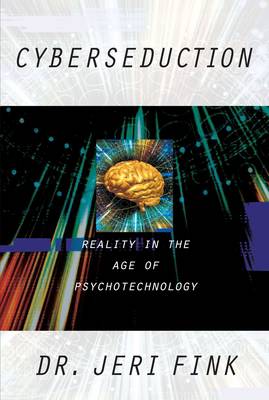
Born from today's evolutionary psychology and its studies of developing human behavior and emotions is the radical new concept from psychotherapist Jeri Fink that virtual reality has been with us since humans first walked the earth and has only been heightened by today's technology. Psychologically, humans are "wired" to crave experiences beyond our daily existence. From the cave dweller's fireside stories of slaying massive beasts and the Elizabethan experience of Shakespeare's tragedies to today's blockbuster disaster movies and, most importantly, interactive computer communication, we have always lived in a "virtual" culture.
The brilliant visionary founder of "psychotechnology," an inquiry into the merging of psychology and technology, Dr. Fink is a leading mental health expert in the use of virtual applications in clinical practice. Cyberseduction: Reality in the Age of Psychotechnology places the ideas of cyberspace and virtual reality into the historical context of human perception and experience across the ages.
From a biological perspective, Dr. Fink explains how and why people are seduced by many virtual realities, both simple and complex, and compares our respective experiences of reality and virtuality, showing how humanity has adapted and evolved. As humanity seeks to further meld itself with machines, the line between illusion and reality is increasingly blurred.
Dr. Fink discusses her groundbreaking theory of manufactured reality by using specific types of virtualities: religion, sex, the media, and other aspects of daily living. She also considers the effects of new computer software and the internet, where anonymous individuals can become and experience almost anything they choose.
Cyberseduction is a fascinating exploration of the psychology of digital culture.
The brilliant visionary founder of "psychotechnology," an inquiry into the merging of psychology and technology, Dr. Fink is a leading mental health expert in the use of virtual applications in clinical practice. Cyberseduction: Reality in the Age of Psychotechnology places the ideas of cyberspace and virtual reality into the historical context of human perception and experience across the ages.
From a biological perspective, Dr. Fink explains how and why people are seduced by many virtual realities, both simple and complex, and compares our respective experiences of reality and virtuality, showing how humanity has adapted and evolved. As humanity seeks to further meld itself with machines, the line between illusion and reality is increasingly blurred.
Dr. Fink discusses her groundbreaking theory of manufactured reality by using specific types of virtualities: religion, sex, the media, and other aspects of daily living. She also considers the effects of new computer software and the internet, where anonymous individuals can become and experience almost anything they choose.
Cyberseduction is a fascinating exploration of the psychology of digital culture.
Specificaties
Betrokkenen
- Auteur(s):
- Uitgeverij:
Inhoud
- Aantal bladzijden:
- 308
- Taal:
- Engels
Eigenschappen
- Productcode (EAN):
- 9781573927437
- Verschijningsdatum:
- 1/12/1999
- Uitvoering:
- Hardcover
- Formaat:
- Genaaid
- Afmetingen:
- 162 mm x 236 mm
- Gewicht:
- 598 g


Alleen bij Standaard Boekhandel
+ 106 punten op je klantenkaart van Standaard Boekhandel
Cadeau

AANGERADEN


Beoordelingen
We publiceren alleen reviews die voldoen aan de voorwaarden voor reviews. Bekijk onze voorwaarden voor reviews.