


- Afhalen na 1 uur in een winkel met voorraad
- Gratis thuislevering in België vanaf € 30
- Ruim aanbod met 7 miljoen producten
- Afhalen na 1 uur in een winkel met voorraad
- Gratis thuislevering in België vanaf € 30
- Ruim aanbod met 7 miljoen producten





€ 115,45
+ 230 punten
Uitvoering
Omschrijving
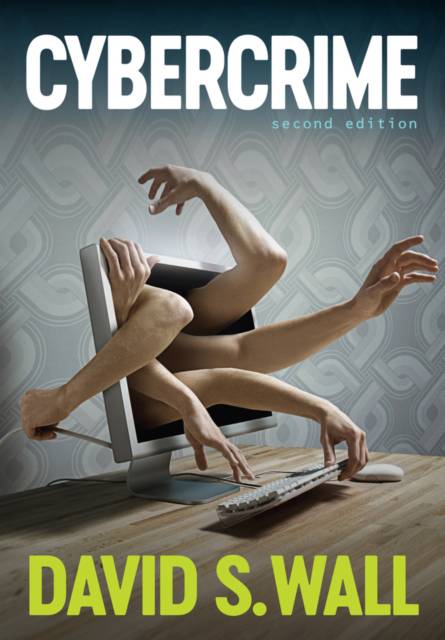
How has the digital revolution transformed criminal opportunities and behaviour? What is different about cybercrime compared with traditional criminal activity? What impact might cybercrime have on public security?
In this updated edition of his authoritative and field-defining text, cybercrime expert David Wall carefully examines these and other important issues. Incorporating analysis of the latest technological advances and their criminological implications, he disentangles what is really known about cybercrime today. An ecosystem of specialists has emerged to facilitate cybercrime, reducing individual offenders' level of risk and increasing the scale of crimes involved. This is a world where digital and networked technologies have effectively democratized crime by enabling almost anybody to carry out crimes that were previously the preserve of either traditional organized crime groups or a privileged coterie of powerful people. Against this background, the author scrutinizes the regulatory challenges that cybercrime poses for the criminal (and civil) justice processes, at both the national and the international levels.
This book offers the most intellectually robust account of cybercrime currently available. It is suitable for use on courses across the social sciences, and in computer science, and will appeal to advanced undergraduate and graduate students.
Specificaties
Betrokkenen
- Auteur(s):
- Uitgeverij:
Inhoud
- Aantal bladzijden:
- 356
- Taal:
- Engels
- Reeks:
Eigenschappen
- Productcode (EAN):
- 9780745653525
- Verschijningsdatum:
- 26/04/2024
- Uitvoering:
- Hardcover
- Formaat:
- Genaaid
- Afmetingen:
- 171 mm x 246 mm
- Gewicht:
- 693 g



Alleen bij Standaard Boekhandel
+ 230 punten op je klantenkaart van Standaard Boekhandel
Cadeau

AANGERADEN


Beoordelingen
We publiceren alleen reviews die voldoen aan de voorwaarden voor reviews. Bekijk onze voorwaarden voor reviews.