


- Afhalen na 1 uur in een winkel met voorraad
- Gratis thuislevering in België vanaf € 30
- Ruim aanbod met 7 miljoen producten
- Afhalen na 1 uur in een winkel met voorraad
- Gratis thuislevering in België vanaf € 30
- Ruim aanbod met 7 miljoen producten





€ 128,45
+ 256 punten
Omschrijving
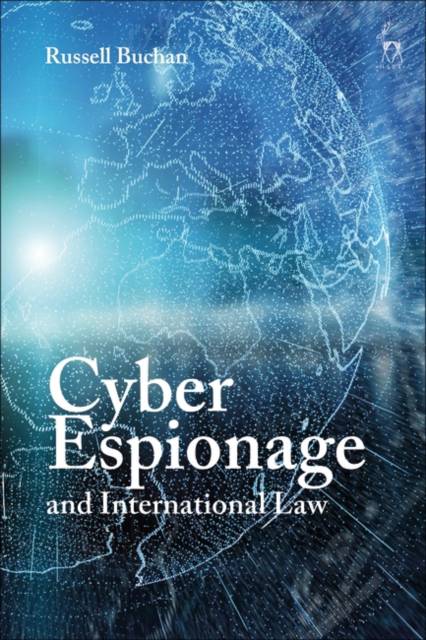
The advent of cyberspace has led to a dramatic increase in state-sponsored political and economic espionage. This monograph argues that these practices represent a threat to the maintenance of international peace and security and assesses the extent to which international law regulates this conduct. The traditional view among international legal scholars is that, in the absence of direct and specific international law on the topic of espionage, cyber espionage constitutes an extra-legal activity that is unconstrained by international law. This monograph challenges that assumption and reveals that there are general principles of international law as well as specialised international legal regimes that indirectly regulate cyber espionage. In terms of general principles of international law, this monograph explores how the rules of territorial sovereignty, non-intervention and the non-use of force apply to cyber espionage. In relation to specialised regimes, this monograph investigates the role of diplomatic and consular law, international human rights law and the law of the World Trade Organization in addressing cyber espionage. This monograph also examines whether developments in customary international law have carved out espionage exceptions to those international legal rules that otherwise prohibit cyber espionage as well as considering whether the doctrines of self-defence and necessity can be invoked to justify cyber espionage. Notwithstanding the applicability of international law, this monograph concludes that policymakers should nevertheless devise an international law of espionage which, as lex specialis, contains rules that are specifically designed to confront the growing threat posed by cyber espionage.
Specificaties
Betrokkenen
- Auteur(s):
- Uitgeverij:
Inhoud
- Aantal bladzijden:
- 248
- Taal:
- Engels
Eigenschappen
- Productcode (EAN):
- 9781782257349
- Verschijningsdatum:
- 27/12/2018
- Uitvoering:
- Hardcover
- Formaat:
- Genaaid
- Afmetingen:
- 155 mm x 236 mm
- Gewicht:
- 476 g


Alleen bij Standaard Boekhandel
+ 256 punten op je klantenkaart van Standaard Boekhandel
Cadeau

AANGERADEN


Beoordelingen
We publiceren alleen reviews die voldoen aan de voorwaarden voor reviews. Bekijk onze voorwaarden voor reviews.