


- Afhalen na 1 uur in een winkel met voorraad
- Gratis thuislevering in België vanaf € 30
- Ruim aanbod met 7 miljoen producten
- Afhalen na 1 uur in een winkel met voorraad
- Gratis thuislevering in België vanaf € 30
- Ruim aanbod met 7 miljoen producten





€ 186,95
+ 373 punten
Eenvoudig bestellen
Veilig betalen


Gratis thuislevering vanaf € 30 (via bpost)
Gratis levering in je Standaard Boekhandel
Omschrijving
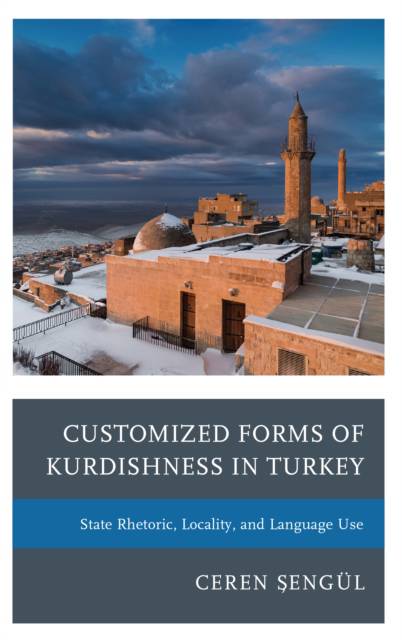
The discussions on Kurds of Turkey mostly refer to them as if they are one homogeneous group, with different forms of being Kurdish mostly overlooked. Yet, Kurds have been scattered all across Turkey; they differ in terms of the language they speak; they have also been subject to different policies of the Turkish state in different periods. How can we take these factors into account when discussing Kurdishness in Turkey? That is, in which ways does a Kurd living in a small city in Southeast Turkey differ from a Kurd living in Istanbul? How does being a native Kurdish speaker play a role in forming Kurdishness? What about different state rhetoric in different periods? By focusing on these three main questions, this book offers a detailed account on the diversity of experiences of Kurdishness. Based on her fieldwork in five different field sites in Turkey, Dr. Sengül illustrates, through narratives of her respondents, how Kurdishness is exhibited in different, personalised, and customised forms across different contexts in Turkey. Each substantive chapter in the book analyses a different element that plays a role in constructing these different forms of Kurdishness: state rhetoric, localities, and the language use. By arguing that there is not one single way of exhibiting Kurdishness, this book challenges any standard definitions of Kurdishness, and defines it as the daily (re-)negotiation of state rhetoric and everyday practices individuals experience.
Specificaties
Betrokkenen
- Auteur(s):
- Uitgeverij:
Inhoud
- Aantal bladzijden:
- 136
- Taal:
- Engels
- Reeks:
Eigenschappen
- Productcode (EAN):
- 9781498573566
- Verschijningsdatum:
- 15/10/2018
- Uitvoering:
- Hardcover
- Formaat:
- Genaaid
- Afmetingen:
- 157 mm x 231 mm
- Gewicht:
- 408 g


Alleen bij Standaard Boekhandel
+ 373 punten op je klantenkaart van Standaard Boekhandel
CADEAU

AANGERADEN


Beoordelingen
We publiceren alleen reviews die voldoen aan de voorwaarden voor reviews. Bekijk onze voorwaarden voor reviews.