


- Afhalen na 1 uur in een winkel met voorraad
- Gratis thuislevering in België vanaf € 30
- Ruim aanbod met 7 miljoen producten
- Afhalen na 1 uur in een winkel met voorraad
- Gratis thuislevering in België vanaf € 30
- Ruim aanbod met 7 miljoen producten





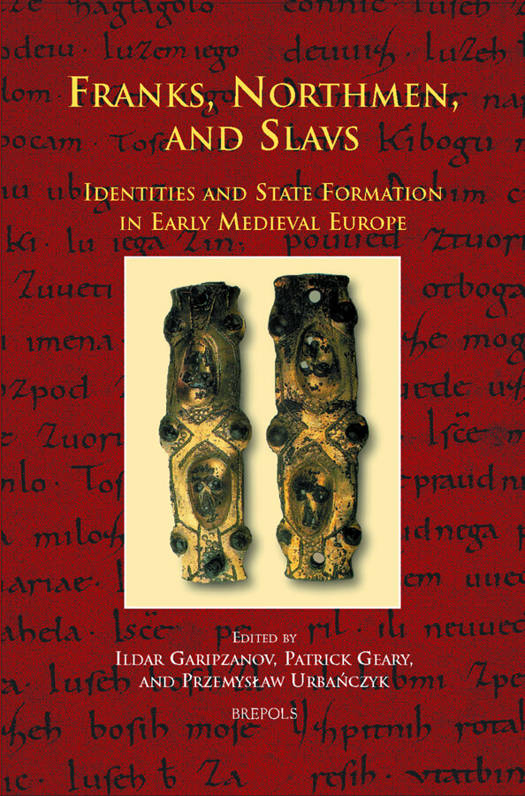
Cursor 05 Franks, Northmen, and Slavs, Garipzanov
Identities and State Formation in Early Medieval Europe
Ildar H. Garipzanov
€ 68,90
+ 137 punten
Omschrijving
In recent decades, historians attempting to understand the transition from the world of late antiquity with its unitary imperial system to the medieval Europe of separate kingdoms have become increasingly concerned with the role of early medieval gentes, or peoples, in the end of the former and the constitution of the latter. Eleven specialists examine here the role of ethnic identity in the formation of medieval polities on the periphery of the Frankish world in the eighth through eleventh centuries. In particular, they explore the intertwined issues of ethnic identity and state formation in Scandinavia and in the western and southern Slavic regions, areas in which the new approaches to the history of ethnicity have but little penetrated traditional scholarship. They ask to what extent common identities assisted in the consolidation and creation of early medieval kingdoms and to what extent the formation of these kingdoms created a discourse of common identity as a means to centralization and control. The authors contend that the developments in Scandinavia and in Slavic areas cannot be understood except in dynamic relationship with the process of state formation and group identity within the Frankish kingdoms. This powerful, expansionist society not only interacted and influenced the development of state structures on its northern and eastern borders, but it also provided models of discourse about the relationship between centralizing power and group solidarity. Not that these discourses were simply adopted by the Franks' neighbours, but rather they became part of the range of possible options selectively adapted to local circumstances.
Specificaties
Betrokkenen
- Auteur(s):
- Uitgeverij:
Inhoud
- Aantal bladzijden:
- 277
- Taal:
- Engels
- Reeks:
- Reeksnummer:
- nr. 5
Eigenschappen
- Productcode (EAN):
- 9782503526157
- Verschijningsdatum:
- 27/05/2008
- Uitvoering:
- Hardcover
- Formaat:
- Genaaid
- Afmetingen:
- 165 mm x 246 mm
- Gewicht:
- 657 g


Alleen bij Standaard Boekhandel
+ 137 punten op je klantenkaart van Standaard Boekhandel
Cadeau

AANGERADEN


Beoordelingen
We publiceren alleen reviews die voldoen aan de voorwaarden voor reviews. Bekijk onze voorwaarden voor reviews.