


- Afhalen na 1 uur in een winkel met voorraad
- Gratis thuislevering in België vanaf € 30
- Ruim aanbod met 7 miljoen producten
- Afhalen na 1 uur in een winkel met voorraad
- Gratis thuislevering in België vanaf € 30
- Ruim aanbod met 7 miljoen producten





€ 135,95
+ 271 punten
Omschrijving
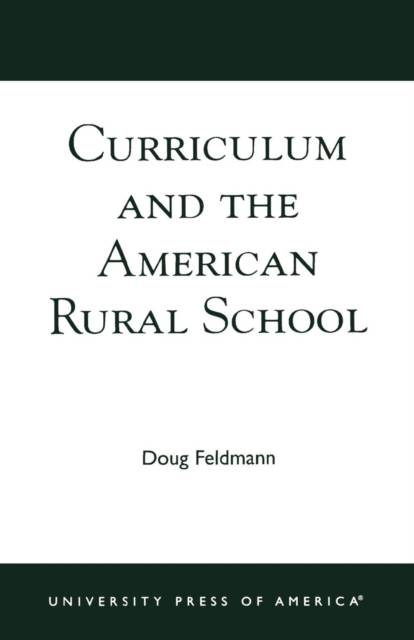
At the core of the educational transformation of American rural schools in the early 1900s, there was the re-examination of the rural school curriculum, preceded by the landmark meeting of the Committee of Ten in 1893. Until 1900, formal education in most rural areas was seen by many as an unneeded luxury, not necessary for the manual labor of the farm, mill, mine, or other primary employment sources of a given locale. Curriculum and the American Rural School traces the origins of American school curriculum, and subsequently contextualizes it within the history of rural school curriculum in the United States since the mid-1800s. Doug Feldmann examines modern issues pertinent to the rural school curriculum in light of this history, and the actual solutions to these issues that rural schools have discovered. Feldmann examines curriculum- in all of its procedural and documentary forms- in a real-life, contemporary rural school study, whereby the history and theory of this discipline is revealed in a true-to-life form.
Specificaties
Betrokkenen
- Auteur(s):
- Uitgeverij:
Inhoud
- Aantal bladzijden:
- 226
- Taal:
- Engels
Eigenschappen
- Productcode (EAN):
- 9780761825586
- Verschijningsdatum:
- 16/05/2003
- Uitvoering:
- Paperback
- Formaat:
- Trade paperback (VS)
- Afmetingen:
- 155 mm x 201 mm
- Gewicht:
- 294 g


Alleen bij Standaard Boekhandel
+ 271 punten op je klantenkaart van Standaard Boekhandel
Cadeau

AANGERADEN


Beoordelingen
We publiceren alleen reviews die voldoen aan de voorwaarden voor reviews. Bekijk onze voorwaarden voor reviews.