



Je cadeautjes zeker op tijd in huis hebben voor de feestdagen? Kom langs in onze winkels en vind het perfecte geschenk!
- Afhalen na 1 uur in een winkel met voorraad
- Gratis thuislevering in België vanaf € 30
- Ruim aanbod met 7 miljoen producten
Je cadeautjes zeker op tijd in huis hebben voor de feestdagen? Kom langs in onze winkels en vind het perfecte geschenk!
- Afhalen na 1 uur in een winkel met voorraad
- Gratis thuislevering in België vanaf € 30
- Ruim aanbod met 7 miljoen producten





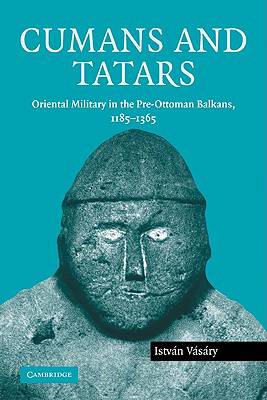
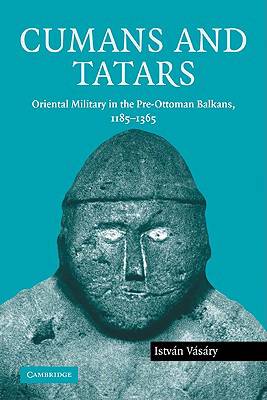
Cumans and Tatars
Oriental Military in the Pre-Ottoman Balkans, 1185 1365
Istvan Vasary, Vasary Istvan, Istv N V S Ry
Paperback | Engels
€ 76,45
+ 152 punten
Uitvoering
Omschrijving
The Cumans and the Tatars were nomadic warriors of the Eurasian steppe who exerted an enduring impact on the medieval Balkans. With this work, István Vásáry presents an extensive examination of their history from 1185 to 1365. The basic instrument of Cuman and Tatar political success was their military force, over which none of the Balkan warring factions could claim victory. As a consequence, groups of the Cumans and the Tatars settled and mingled with the local population in various regions of the Balkans. The Cumans were the founders of three successive Bulgarian dynasties (Asenids, Terterids and Shishmanids) and the Wallachian dynasty (Basarabids). They also played an active role in Byzantium, Hungary and Serbia, with Cuman immigrants being integrated into each country's elite. This book also demonstrates how the prevailing political anarchy in the Balkans in the thirteenth and fourteenth centuries made it ripe for the Ottoman conquest.
Specificaties
Betrokkenen
- Auteur(s):
- Uitgeverij:
Inhoud
- Aantal bladzijden:
- 248
- Taal:
- Engels
Eigenschappen
- Productcode (EAN):
- 9780521120289
- Verschijningsdatum:
- 24/09/2009
- Uitvoering:
- Paperback
- Formaat:
- Trade paperback (VS)
- Afmetingen:
- 152 mm x 229 mm
- Gewicht:
- 367 g


Alleen bij Standaard Boekhandel
+ 152 punten op je klantenkaart van Standaard Boekhandel
CADEAU


Beoordelingen
We publiceren alleen reviews die voldoen aan de voorwaarden voor reviews. Bekijk onze voorwaarden voor reviews.