


- Afhalen na 1 uur in een winkel met voorraad
- Gratis thuislevering in België vanaf € 30
- Ruim aanbod met 7 miljoen producten
- Afhalen na 1 uur in een winkel met voorraad
- Gratis thuislevering in België vanaf € 30
- Ruim aanbod met 7 miljoen producten





€ 74,45
+ 148 punten
Eenvoudig bestellen
Veilig betalen


Gratis thuislevering vanaf € 30 (via bpost)
Gratis levering in je Standaard Boekhandel
Omschrijving
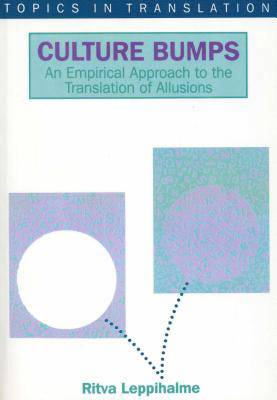
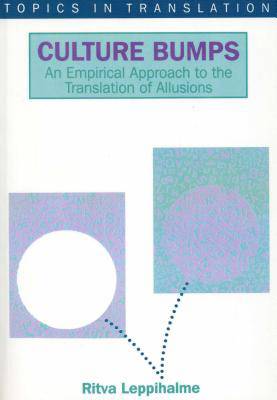
Allusions are often translated literally while their connotative and pragmatic meaning is largely ignored. This frequently leads to culture bumps, in other words, to puzzling or impenetrable wordings. Culture Bumps discusses this problem and how to deal with a culture-specific, source-text allusion in such a way that readers of the target text can understand the function and meaning of the allusive passage. The main focus is on translators and readers as active participants in the communicative process, and the book contains interviews with professional translators as well as empirical data on the responses of real readers. Examples provide teachers who want to take up the problem in translation classes with materials from contemporary English texts, both fiction and non-fiction, as well as a flowchart of translation strategies. The conclusion recommends that translators should take the needs of readers into account when choosing translation strategies for allusions, and that university-level language teaching and translator training should pay more attention to the biculturalisation of students
Specificaties
Betrokkenen
- Auteur(s):
- Uitgeverij:
Inhoud
- Aantal bladzijden:
- 256
- Taal:
- Engels
- Reeks:
Eigenschappen
- Productcode (EAN):
- 9781853593734
- Verschijningsdatum:
- 15/10/1997
- Uitvoering:
- Paperback
- Formaat:
- Trade paperback (VS)
- Afmetingen:
- 148 mm x 210 mm
- Gewicht:
- 312 g


Alleen bij Standaard Boekhandel
+ 148 punten op je klantenkaart van Standaard Boekhandel
CADEAU

AANGERADEN


Beoordelingen
We publiceren alleen reviews die voldoen aan de voorwaarden voor reviews. Bekijk onze voorwaarden voor reviews.