


- Afhalen na 1 uur in een winkel met voorraad
- Gratis thuislevering in België vanaf € 30
- Ruim aanbod met 7 miljoen producten
- Afhalen na 1 uur in een winkel met voorraad
- Gratis thuislevering in België vanaf € 30
- Ruim aanbod met 7 miljoen producten





€ 54,95
+ 109 punten
Uitvoering
Omschrijving
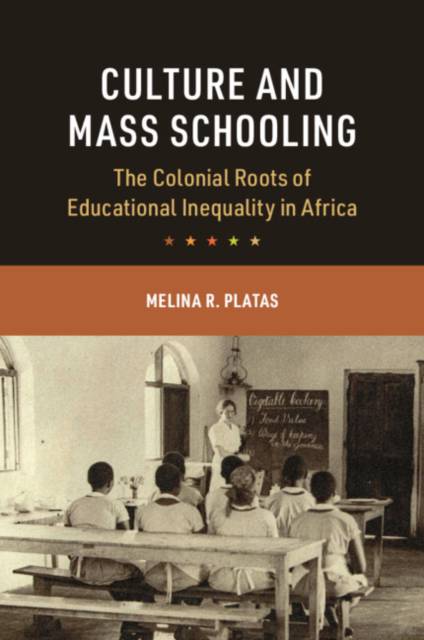
Education is central to politics, economic growth, and human well-being. Yet large gaps in levels of education persist across different groups, often for generations. Why? This book argues that culture - specifically, community norms about schooling - plays a central role in explaining the persistence of educational inequality across groups. Melina R. Platas uses the case of the Muslim-Christian education gap in Africa, where Muslims have on average three fewer years of education than Christians, to examine the origins and persistence of educational inequality. She documents the colonial origins of this gap and develops a cultural theory of its persistence, focusing on the case studies of Malawi, Nigeria and Uganda. Platas uses census and survey data from nearly 30 African countries, archival documents, interviews, focus groups, and coordination games to explore this ubiquitous yet underappreciated gap in educational attainment, and to measure divergent schooling norms across religious communities in Africa today.
Specificaties
Betrokkenen
- Auteur(s):
- Uitgeverij:
Inhoud
- Aantal bladzijden:
- 276
- Taal:
- Engels
- Reeks:
Eigenschappen
- Productcode (EAN):
- 9781009640367
- Verschijningsdatum:
- 22/01/2026
- Uitvoering:
- Paperback
- Formaat:
- Trade paperback (VS)
- Afmetingen:
- 152 mm x 229 mm
- Gewicht:
- 371 g


Alleen bij Standaard Boekhandel
+ 109 punten op je klantenkaart van Standaard Boekhandel
Cadeau

AANGERADEN


Beoordelingen
We publiceren alleen reviews die voldoen aan de voorwaarden voor reviews. Bekijk onze voorwaarden voor reviews.