


- Afhalen na 1 uur in een winkel met voorraad
- Gratis thuislevering in België vanaf € 30
- Ruim aanbod met 7 miljoen producten
- Afhalen na 1 uur in een winkel met voorraad
- Gratis thuislevering in België vanaf € 30
- Ruim aanbod met 7 miljoen producten





€ 101,95
+ 203 punten
Uitvoering
Omschrijving
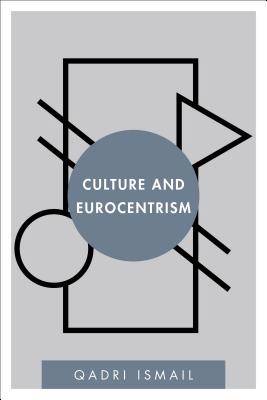
The conviction that we all have, possess or inhabit a discrete culture, and have done so for centuries, is one of the more dominant default assumptions of our contemporary politico-intellectual moment. However, the concept of culture as a signifier of subjectivity only entered the modern Anglo-U.S. episteme in the late nineteenth century. Culture and Eurocentrism seeks to account for the term's relatively recent emergence and movement through the episteme, networked with many other concepts - nature, race, society, imagination, savage, and civilization- at the confluence of several disciplines. Culture, it contends, doesn't describe difference but produces it, hierarchically. In so doing, it seeks to recharge postcoloniality, the critique of eurocentrism.
Specificaties
Betrokkenen
- Auteur(s):
- Uitgeverij:
Inhoud
- Aantal bladzijden:
- 238
- Taal:
- Engels
- Reeks:
Eigenschappen
- Productcode (EAN):
- 9781783486342
- Verschijningsdatum:
- 30/10/2015
- Uitvoering:
- Paperback
- Formaat:
- Trade paperback (VS)
- Afmetingen:
- 137 mm x 213 mm
- Gewicht:
- 317 g


Alleen bij Standaard Boekhandel
+ 203 punten op je klantenkaart van Standaard Boekhandel
Cadeau

AANGERADEN


Beoordelingen
We publiceren alleen reviews die voldoen aan de voorwaarden voor reviews. Bekijk onze voorwaarden voor reviews.