Standaard Boekhandel gebruikt cookies en gelijkaardige technologieën om de website goed te laten werken en je een betere surfervaring te bezorgen.
Hieronder kan je kiezen welke cookies je wilt inschakelen:
Technische en functionele cookies
Deze cookies zijn essentieel om de website goed te laten functioneren, en laten je toe om bijvoorbeeld in te loggen. Je kan deze cookies niet uitschakelen.
Analytische cookies
Deze cookies verzamelen anonieme informatie over het gebruik van onze website. Op die manier kunnen we de website beter afstemmen op de behoeften van de gebruikers.
Marketingcookies
Deze cookies delen je gedrag op onze website met externe partijen, zodat je op externe platformen relevantere advertenties van Standaard Boekhandel te zien krijgt.
Je kan maximaal 250 producten tegelijk aan je winkelmandje toevoegen. Verwijdere enkele producten uit je winkelmandje, of splits je bestelling op in meerdere bestellingen.
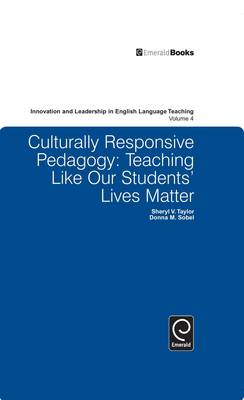
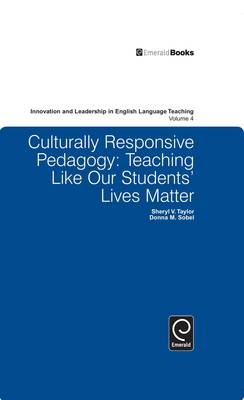
At its core, culturally responsive pedagogy represents a professional philosophy that is based on teachers' fundamental commitment to students' success. Authors Taylor and Sobel believe that teachers want to approach their teaching from the pivotal point that each of their students' lives matter. Working from a broad perspective of culture, the authors view culturally responsive teaching as a contextual and situational process for both teachers and students--all students--including those who are from a diversity of languages, cultures, racial/ethnic backgrounds, religions, economic resources, interests, abilities, and life experiences as well as students who are members of the society's 'mainstream' cultural, linguistic, and socio-economic background. Recognizing that teachers are conduits of culture regardless of what content they teach, the authors assert that when culture is coupled with pedagogy the result involves a complex and comprehensive mix of knowledge and skills for teachers to use to engage a diverse student population This book is intended as a guide and practical discussion for K-12 teachers who are committed to culturally responsive pedagogy and recognize the structural inequalities in society that are reflected in its schools. Such teachers acknowledge that schools have a history of failing to serve students who are outside of the 'mainstream' culture. For those teachers who recognize the sociopolitical nature of education and the role their own cultural background and privilege play in their work as a professional educator, they will find meaningful applications of research-based exemplars used to create and manage rigorous learning environments that maximize students' opportunities to learn.