


- Afhalen na 1 uur in een winkel met voorraad
- Gratis thuislevering in België vanaf € 30
- Ruim aanbod met 7 miljoen producten
- Afhalen na 1 uur in een winkel met voorraad
- Gratis thuislevering in België vanaf € 30
- Ruim aanbod met 7 miljoen producten




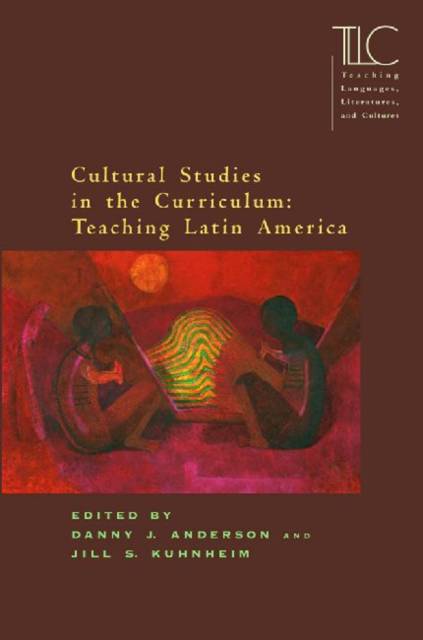
Cultural Studies in the Curriculum
Teaching Latin America
€ 113,95
+ 227 punten
Omschrijving
Cultural studies has shifted the focus of language and literary studies to concerns previously excluded from the classroom: the perspectives of marginal groups, the expressive forms and social practices of popular and mass cultures. Among Latin Americanists, this academic approach is strongly contested, for reasons both philosophical and political. In their introduction, the editors examine this conflict, relating the history of cultural studies in Latin America to later developments in Britain and the United States. The nine essays in this volume probe the tension and interdependence between the literary and the cultural, and they demonstrate the relevance of cultural studies to a new generation of language learners in an era of globalization.
Some of the topics discussed in Cultural Studies in the Curriculum are Chicano/a writing; Caribbean film, music, religious expressions, and sport; colonial Spanish perceptions of indigenous life; ethical issues in United States and Latin American business relations; and assumptions about gender and sexuality in Mexico before machismo. The wealth of material considered includes history, novels, poems, photographs, criminology texts, ethnography, anthropology, jokes, corridos, urban architecture, and movies.
Some of the topics discussed in Cultural Studies in the Curriculum are Chicano/a writing; Caribbean film, music, religious expressions, and sport; colonial Spanish perceptions of indigenous life; ethical issues in United States and Latin American business relations; and assumptions about gender and sexuality in Mexico before machismo. The wealth of material considered includes history, novels, poems, photographs, criminology texts, ethnography, anthropology, jokes, corridos, urban architecture, and movies.
Specificaties
Betrokkenen
- Uitgeverij:
Inhoud
- Aantal bladzijden:
- 249
- Taal:
- Engels
- Reeks:
Eigenschappen
- Productcode (EAN):
- 9780873528023
- Verschijningsdatum:
- 1/01/2003
- Uitvoering:
- Hardcover
- Formaat:
- Genaaid
- Afmetingen:
- 160 mm x 235 mm
- Gewicht:
- 476 g

Alleen bij Standaard Boekhandel
+ 227 punten op je klantenkaart van Standaard Boekhandel
Cadeau

AANGERADEN


Beoordelingen
We publiceren alleen reviews die voldoen aan de voorwaarden voor reviews. Bekijk onze voorwaarden voor reviews.