


- Afhalen na 1 uur in een winkel met voorraad
- Gratis thuislevering in België vanaf € 30
- Ruim aanbod met 7 miljoen producten
- Afhalen na 1 uur in een winkel met voorraad
- Gratis thuislevering in België vanaf € 30
- Ruim aanbod met 7 miljoen producten





€ 165,95
+ 331 punten
Uitvoering
Omschrijving
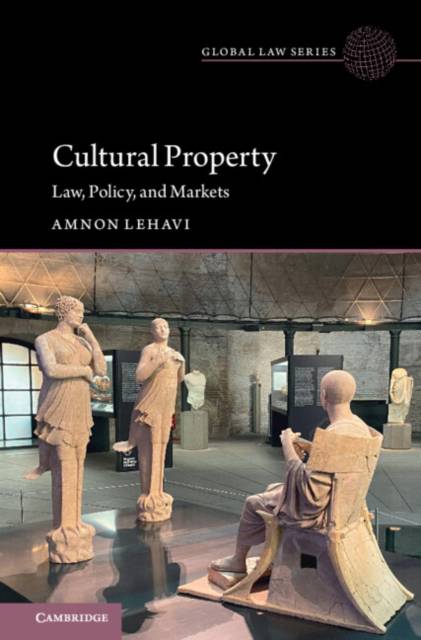
While nations, societies, and individuals have always been engaged with both the tangible and intangible aspects of cultural objects, such as archaeological artifacts, artworks, and historical documents, the twenty-first century is seeing a significant shift in the law, ethics, and public policy that have long characterized this field. This book offers a comprehensive analysis of recent developments concerning cultural property. It identifies the underlying forces that drive these changes, focusing on the new political balance between source countries and market countries, the strengthening of cross-border lawmaking and law enforcement, the growing impact of provenance research and due diligence as legal, professional, and ethical norms, and the transformative role of digital databases. The book sets out normative principles for designing a better synergy of the hard law and soft law mechanisms that govern cultural property policy and markets. It proposes a property theory of ownership and custody of cultural objects and outlines a model of 'new cultural internationalism' to promote cross-border collaboration on cultural heritage, including new restitution frameworks.
Specificaties
Betrokkenen
- Auteur(s):
- Uitgeverij:
Inhoud
- Aantal bladzijden:
- 288
- Taal:
- Engels
- Reeks:
Eigenschappen
- Productcode (EAN):
- 9781009449373
- Verschijningsdatum:
- 30/10/2025
- Uitvoering:
- Hardcover
- Formaat:
- Genaaid
- Afmetingen:
- 152 mm x 229 mm
- Gewicht:
- 553 g


Alleen bij Standaard Boekhandel
+ 331 punten op je klantenkaart van Standaard Boekhandel
Cadeau

AANGERADEN


Beoordelingen
We publiceren alleen reviews die voldoen aan de voorwaarden voor reviews. Bekijk onze voorwaarden voor reviews.