


- Afhalen na 1 uur in een winkel met voorraad
- Gratis thuislevering in België vanaf € 30
- Ruim aanbod met 7 miljoen producten
- Afhalen na 1 uur in een winkel met voorraad
- Gratis thuislevering in België vanaf € 30
- Ruim aanbod met 7 miljoen producten





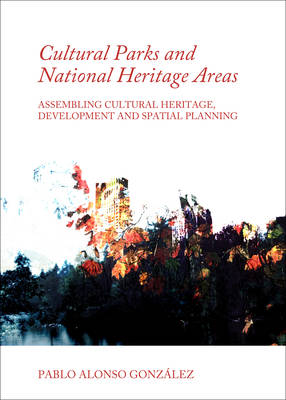
Cultural Parks and National Heritage Areas
Assembling Cultural Heritage, Development and Spatial Planning
Pablo Alonso González
Hardcover | Engels
€ 55,95
+ 111 punten
Eenvoudig bestellen
Veilig betalen


Gratis thuislevering vanaf € 30 (via bpost)
Gratis levering in je Standaard Boekhandel
Omschrijving
The number of cultural parks has been steadily increasing in recent years throughout the world. But what is a cultural park? This book provides a detailed answer to this question and sets out the basis for an academic debate that moves beyond the technical narratives that have prevailed to date. It is important to open up the topic to academic scrutiny given that cultural parks are becoming widespread devices being employed by different institutions and social groups to manage and enhance cultural and natural heritage assets and landscapes. The main problem in dealing with this topic is the predominant lack of theory-grounded, critical reflection in the literature about cultural parks. These remain largely conceived as technical instruments deployed by institutions in order to solve an array of problems they must deal with. As cultural parks are generally regarded as positive and constructive tools whose performance is associated with the preservation of heritage, the overcoming of the nature/culture divide, the reinforcing of identity and memory and the strengthening of social cohesion and economic development, this book critically explores these issues through the analysis of the literature on cultural parks. In addition, it provides a novel theoretical conceptualization of cultural parks that is connected with, and underpins, a tentative methodology developed for their empirical analysis.
Specificaties
Betrokkenen
- Auteur(s):
- Uitgeverij:
Inhoud
- Aantal bladzijden:
- 185
- Taal:
- Engels
Eigenschappen
- Productcode (EAN):
- 9781443852463
- Verschijningsdatum:
- 31/12/2013
- Uitvoering:
- Hardcover
- Formaat:
- Genaaid
- Afmetingen:
- 152 mm x 206 mm
- Gewicht:
- 399 g


Alleen bij Standaard Boekhandel
+ 111 punten op je klantenkaart van Standaard Boekhandel
CADEAU

AANGERADEN


Beoordelingen
We publiceren alleen reviews die voldoen aan de voorwaarden voor reviews. Bekijk onze voorwaarden voor reviews.