


- Afhalen na 1 uur in een winkel met voorraad
- Gratis thuislevering in België vanaf € 30
- Ruim aanbod met 7 miljoen producten
- Afhalen na 1 uur in een winkel met voorraad
- Gratis thuislevering in België vanaf € 30
- Ruim aanbod met 7 miljoen producten





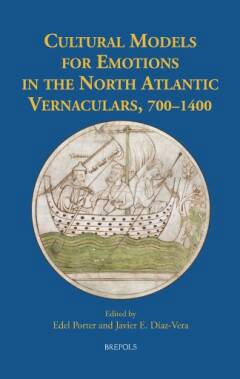
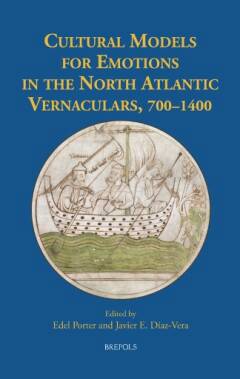
Cultural Models for Emotions in the North Atlantic Vernaculars, 700-1400
Edel Porter
€ 116,60
+ 233 punten
Omschrijving
While the medieval regions that form modern-day Britain, Ireland, Iceland, and the Scandinavian states were, very much like today, home to diverse ethnic and linguistic groups, it is evident that the peoples who inhabited the north-western Atlantic seaboard at this time were nonetheless connected by key cultural, environmental, historical, and ideological experiences that set them apart from other regions of Europe. This volume is the first to focus specifically on these cultural and linguistic connections from the perspective of the history of emotions. The contributions collected here examine cultural encounters among medieval North Atlantic peoples with regard to the gradual development of shared emotional models and the emergence of early cross-cultural emotional communities in this region. The chapters also explore how the folk psychologies illustrated in the oldest European vernacular writing traditions (Irish, English, and Scandinavian) bear witness to cultural models for emotions that first took shape in pre-Christian times.
Specificaties
Betrokkenen
- Auteur(s):
- Uitgeverij:
Inhoud
- Aantal bladzijden:
- 340
- Taal:
- Engels
- Reeks:
- Reeksnummer:
- nr. 39
Eigenschappen
- Productcode (EAN):
- 9782503610443
- Verschijningsdatum:
- 11/09/2025
- Uitvoering:
- Hardcover
- Formaat:
- Genaaid
- Gewicht:
- 1297 g


Alleen bij Standaard Boekhandel
+ 233 punten op je klantenkaart van Standaard Boekhandel
CADEAU

AANGERADEN


Beoordelingen
We publiceren alleen reviews die voldoen aan de voorwaarden voor reviews. Bekijk onze voorwaarden voor reviews.